Best Time to Visit Cambodia: Weather, Seasons, and Regional Guide

Choosing the best time to visit Cambodia depends on more than finding the driest months. Cambodia has a tropical climate, warm temperatures throughout the year, distinct wet and dry seasons, and noticeable regional differences between the temples of Siem Reap, the capital Phnom Penh, the countryside, and the southern coast.
For many travelers, the cooler and generally drier period from November to February is the most comfortable time for sightseeing. However, the rainy season from May to October has its own advantages, including greener landscapes, fewer visitors, and dramatic skies. Understanding Cambodia’s seasonal patterns can help you choose a travel period that matches your interests, budget, and tolerance for heat or rain.
This guide explains Cambodia’s weather by season and region, the best months for different types of travel, what to expect during the rainy season, and practical advice for planning a comfortable trip.
Quick Summary: When Should You Visit Cambodia?
- Best overall weather: November to February
- Coolest period: December to January
- Hot season: March to May
- Wet season: May to October
- Best for Angkor temples: November to February, especially for comfortable early-morning sightseeing
- Best for lush scenery: June to October
- Potentially quieter and more budget-friendly period: May to October
- Best time for beaches and islands: November to April, with weather conditions varying by location
Important: Cambodia is warm year-round. Even during the cooler months, travelers should expect tropical conditions and plan around sun exposure, hydration, and appropriate clothing.
Cambodia’s Climate: What Is the Weather Like?
Cambodia has a tropical monsoon climate influenced by seasonal winds. Instead of four clearly defined seasons like many temperate countries, travelers generally experience a cooler dry period, a hotter dry period, and a rainy season.
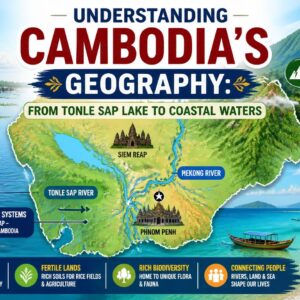
The country’s weather is also affected by geography. Areas around the Tonle Sap and Mekong rivers can experience different conditions from the coastal provinces, while mountainous areas may feel somewhat cooler, particularly at higher elevations.
November to February: The Cooler Dry Season
This is generally considered the most comfortable period for traveling around Cambodia. Rainfall is usually limited, humidity is often lower than during the wet season, and daytime conditions are suitable for sightseeing.
December and January are often particularly pleasant for visitors exploring Angkor Wat, Phnom Penh, Battambang, Kampot, and other major destinations. Mornings and evenings can feel noticeably cooler, especially in northern and elevated areas.
The trade-off is higher visitor demand. Popular attractions can become busy, especially around major holidays and peak travel periods, so travelers should consider booking popular accommodation and transportation in advance.
March to May: The Hot Season
Temperatures generally rise significantly from March through May. April is particularly associated with intense heat, making midday outdoor activities challenging for some travelers.
Despite the heat, this period can be rewarding. Khmer New Year, usually celebrated in April, brings cultural celebrations, family gatherings, traditional activities, and a festive atmosphere across the country.
If you travel during the hottest months, schedule temple visits and outdoor sightseeing for the early morning or late afternoon. Carry water, wear breathable clothing, and allow time for rest during the hottest part of the day.
May to October: The Rainy Season
The rainy season brings increased humidity and regular rainfall, although it does not necessarily rain continuously throughout the day. In many parts of Cambodia, rain arrives as short or intense showers followed by periods of sunshine.
The countryside becomes especially green during this period. Rice fields, forests, waterfalls, and rural landscapes can look dramatically different from the dry season.
For flexible travelers, the wet season can provide a different Cambodian experience, with fewer crowds at some attractions and opportunities to see the country’s landscapes at their most vibrant.
Best Time to Visit Cambodia by Region
Cambodia’s climate varies across the country, so your ideal travel month may depend on where you plan to go. A trip focused on Angkor temples has different weather considerations from a beach holiday on the southern coast.
Siem Reap and Angkor Wat
For most visitors, November to February offers comfortable conditions for exploring Angkor Archaeological Park. The relatively drier weather makes it easier to spend several hours outdoors visiting temples and walking between sites.
March and April can be considerably hotter. If visiting during these months, start temple tours very early and avoid spending too much time in exposed areas around midday.
The rainy season can also be rewarding in Siem Reap. Green vegetation, reflective pools, atmospheric skies, and fewer visitors at certain sites can create a memorable experience. However, heavy rainfall can occasionally affect roads, walking paths, and outdoor plans.
Phnom Penh
Phnom Penh can be visited throughout the year because the city offers many indoor and outdoor attractions. The cooler dry season is generally more comfortable for walking tours, riverside visits, markets, and sightseeing.
During the hot season, plan outdoor activities in the morning or late afternoon. During the wet season, sudden rain can interrupt sightseeing, but many showers are temporary and the city remains active.
Kampot and Kep
Southern Cambodia offers a mixture of rivers, countryside, mountains, caves, plantations, and coastal scenery. The cooler dry season is convenient for combining several outdoor activities in one trip.
The wet season can be especially attractive for visitors interested in Cambodia’s green landscapes. Around Kampot, rainfall can enhance the scenery of the countryside and mountain areas, although travelers should remain flexible because outdoor excursions may be affected by heavy showers.
Cambodia’s Islands and Coast
Destinations such as Koh Rong, Koh Rong Sanloem, Sihanoukville, and nearby coastal areas are commonly most appealing during the drier part of the year.
November through April is often a practical period for planning a beach-focused itinerary. Sea conditions and weather can still change, so travelers taking boats between islands should check current conditions and local transport information before departure.
Cardamom Mountains and Rural Cambodia
Nature-focused travelers may find the rainy season particularly interesting because forests, rivers, waterfalls, and agricultural landscapes become lush and vibrant.
However, some rural roads and unpaved routes can become difficult after heavy rain. If your itinerary includes remote areas, allow extra travel time and use local advice when deciding whether particular roads or trails are suitable.
What Is the Best Month to Visit Cambodia?
There is no single perfect month for every traveler, but each period has distinct advantages.
November
November marks the transition into the cooler and drier period. Landscapes can remain relatively green after the rainy season, while conditions generally become more comfortable for sightseeing.
December
December is popular with international visitors because of its comfortable travel conditions. It is a good month for combining temples, cities, countryside, and the southern coast.
January
January is typically among the most comfortable months for outdoor exploration. It works particularly well for multi-destination itineraries that include Angkor, Phnom Penh, and southern Cambodia.
February
February continues to offer generally favorable dry-season conditions. Temperatures gradually begin increasing as the country moves toward the hotter months.
March and April
These months are hotter and require more careful planning for outdoor activities. April is also an important cultural period because of Khmer New Year celebrations.
May to October
These months bring increasing rainfall and humidity. Travelers who do not mind occasional showers can benefit from lush scenery and potentially quieter travel conditions.
Is the Rainy Season a Bad Time to Visit Cambodia?
No. The rainy season is not automatically a bad time to visit Cambodia. In fact, it can be an excellent period for travelers who prefer green landscapes, fewer crowds, flexible schedules, and a slower pace.
Rainfall patterns vary, and a rainy-season day does not necessarily mean rain from morning until night. Many days feature periods of heavy rain followed by clear or partly sunny weather.
Local travel tip: Instead of planning your entire day around avoiding rain, build flexibility into your itinerary. Put outdoor activities earlier in the day when practical and keep museums, cafés, markets, and other indoor activities as backup options.
Best Time to Visit Cambodia for Different Travel Experiences
For Angkor Wat and Temple Exploration
November to February is generally the easiest period for long temple days because temperatures and humidity are more manageable. Start early to enjoy cooler conditions and avoid the strongest midday sun.
For Beaches and Islands
November to April is commonly preferred for beach-oriented itineraries. Always check local sea and boat conditions, particularly when traveling between islands.
For Photography
Photographers may enjoy different seasons for different reasons. The dry season can provide bright skies and predictable conditions, while the wet season can produce dramatic clouds, reflections, mist, and vivid green landscapes.
For Budget-Conscious Travelers
The rainy season can be worth considering if your priority is flexibility and potentially lower demand. Prices vary by hotel, destination, holidays, and individual travel dates, so compare actual rates rather than assuming every rainy-season trip will be cheaper.
For Festivals and Culture
Cambodia’s major celebrations can be a reason to visit outside the traditional peak travel period. Khmer New Year in April is one of the country’s most important celebrations, while other traditional and religious events occur throughout the year.
Practical Tips for Traveling in Every Season
Travel Smart: Cambodia Weather Tips
- Carry water: Cambodia’s tropical climate makes hydration important, especially during long sightseeing days.
- Use sun protection: Pack sunscreen, sunglasses, and a lightweight hat for outdoor activities.
- Dress appropriately: Lightweight, breathable clothing is useful in hot weather. Bring clothing that covers the shoulders and knees when visiting temples where respectful dress is expected.
- Bring rain protection: A compact umbrella or lightweight rain jacket can be useful during the wet season.
- Start early: Morning sightseeing is often more comfortable than spending long periods outdoors around midday.
- Keep your itinerary flexible: Tropical weather can change quickly, particularly during the rainy season.
- Check transport conditions: Heavy rain can affect rural roads and boat services.
- Book strategically: During busy travel periods, reserve popular hotels and tours ahead of time, particularly in Siem Reap.
What Should You Pack for Cambodia?
Your packing list should reflect both Cambodia’s tropical climate and your planned activities. For most travelers, lightweight clothing, comfortable walking shoes, sun protection, and basic rain protection are useful throughout the year.
- Lightweight and breathable clothing
- Comfortable walking shoes or sandals
- Light rain jacket or compact umbrella
- Sun hat and sunglasses
- High-SPF sunscreen
- Reusable water bottle
- Small daypack
- Insect repellent, especially for rural and nature-focused trips
- Modest clothing for temples and religious sites
If you are visiting during the cooler months and plan to travel through northern or mountainous areas, a thin long-sleeved layer can be useful during early mornings and evenings.
Frequently Asked Questions About Cambodia Weather
What is the best time to visit Cambodia for first-time travelers?
November to February is generally a comfortable choice for first-time visitors because temperatures are more manageable and rainfall is usually lower. This period is particularly convenient for combining Siem Reap, Phnom Penh, and southern destinations.
What are the rainy months in Cambodia?
The rainy season generally runs from around May through October, although the exact timing and intensity of rainfall vary from year to year and between regions.
Is Cambodia too hot in April?
April can be very hot, especially for travelers who are not accustomed to tropical climates. If you visit during this period, schedule outdoor sightseeing for cooler parts of the day and take regular breaks.
Does it rain all day in Cambodia during the wet season?
Not usually. Rain can occur in heavy bursts, followed by periods of dry or sunny weather. However, rainfall patterns vary, and occasional prolonged rain can occur.
Can I visit Angkor Wat during the rainy season?
Yes. Angkor Wat and the surrounding temples remain open to visitors during the wet season, subject to site rules and local conditions. Rain can create beautiful reflections and greener surroundings, although wet surfaces may become slippery.
How many days should I spend in Cambodia?
For a first visit, 7 to 10 days can provide enough time to combine major highlights such as Siem Reap and Angkor with Phnom Penh and another destination. Travelers with more time can explore destinations such as Battambang, Kampot, Kep, or Cambodia’s islands.
Final Thoughts: Choosing Your Cambodia Travel Season
The best time to visit Cambodia ultimately depends on what you want from your trip. If comfortable sightseeing conditions are your priority, November to February is an excellent period to consider. If you prefer lush scenery, potentially quieter attractions, and do not mind tropical showers, the rainy season can offer a very different and rewarding experience.
Rather than waiting for one “perfect” month, consider your destinations, activities, budget, and tolerance for heat and rain. Cambodia is a year-round destination, and each season reveals a different side of the country’s temples, cities, countryside, mountains, and coastline.
Planning your Cambodia adventure? Explore more destination guides, cultural experiences, food recommendations, and practical travel information on GoToKH at gotokh.com to build an itinerary that fits your travel style.