


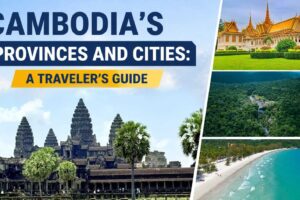


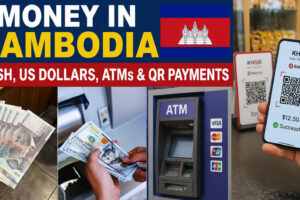


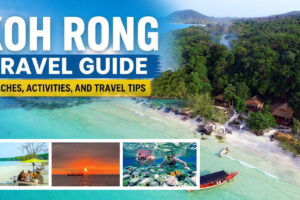



















Planning your first trip to Cambodia? From the extraordinary temples of Angkor Wat to the lively streets of Phnom Penh, the riverside towns of southern Cambodia and the tropical islands of the Gulf of Thailand, Cambodia offers an unforgettable combination of history, culture, food and natural beauty.
But before you travel, there are some important things to understand. Entry requirements can depend on your passport. Cambodia uses both the Cambodian riel and US dollars. Its airports, visa procedures and border arrangements have changed in recent years. Weather, transportation, religious etiquette and local safety considerations can also affect your journey.
The good news is that visiting Cambodia can be straightforward with a little preparation. Most popular tourist destinations offer a wide range of accommodation, restaurants and transportation services, while Cambodian hospitality and cultural traditions make the country a rewarding place to explore.
This comprehensive guide covers 20 essential Cambodia travel tips to help you understand what to know before traveling to Cambodia, including visas, e-Arrival registration, airports, transport, money, safety, health, cultural etiquette, travel budgets and itinerary planning.
Last updated: October 16, 2026. Immigration rules, security advisories, airport services and border restrictions can change. Verify the latest official information before departure.
Cambodia Travel Essentials at a Glance
| Travel Detail | What Visitors Should Know |
|---|---|
| Country | Kingdom of Cambodia |
| Capital | Phnom Penh |
| Official Language | Khmer |
| Currency | Cambodian riel (KHR); US dollars also widely accepted |
| Time Zone | Indochina Time (UTC+7), without daylight saving time |
| Climate | Tropical, with wet and dry seasons |
| Typical Tourist e-Visa | Visa T: US$30, single entry, one-month stay, subject to eligibility |
| Cambodia e-Arrival | Free electronic arrival submission; required for international air arrivals |
| Phnom Penh Airport | Techo International Airport (KTI) |
| Siem Reap Airport | Siem Reap–Angkor International Airport (SAI) |
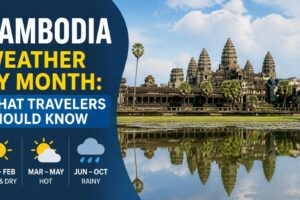
| Best General Travel Season | November–February for relatively comfortable sightseeing weather |
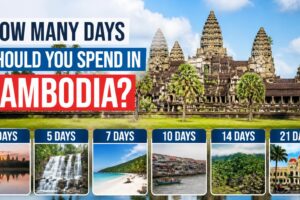
| Recommended First Trip | 7–10 days, or longer for beaches and rural destinations |
1. Check Your Passport Validity Before Traveling
Before booking flights, check your passport’s expiry date and condition.
Cambodian entry rules generally require foreign visitors to hold a passport valid for at least six months from their arrival date. The official Cambodia e-Visa website also specifies a passport validity requirement of more than six months at entry for applicants.
Make sure your passport is undamaged, has suitable blank space for immigration procedures and matches the personal details used in your airline booking and visa application.
For an international itinerary involving more than one country, check the rules of every country you plan to enter or transit.
Travel tip: Keep a secure digital copy of your passport and travel documents. Do not rely on a photograph as a substitute for the original document when immigration authorities require it.
2. Understand Cambodia’s Tourist Visa Requirements
Many international visitors need a visa to enter Cambodia, although certain nationalities are eligible for visa-free entry under bilateral or regional arrangements.
The correct procedure depends on your nationality, passport type, purpose of travel and entry point.
Cambodia Tourist e-Visa (Visa T)
Cambodia offers an official electronic tourist visa that eligible travelers can apply for before departure.
According to the Cambodian Ministry of Foreign Affairs and International Cooperation’s official e-Visa service, the standard tourist e-Visa has the following conditions:
| Visa T Detail | Official Published Information |
|---|---|
| Fee | US$30 |
| Entry | Single entry |
| Visa Validity | Three months from issuance |
| Permitted Stay | One month |
| Normal Processing | Three business days |
The three-month validity period is the window during which the visa can generally be used to enter Cambodia. It is not permission to stay in Cambodia for three months.
Apply sufficiently early to allow for weekends, holidays or possible processing delays.
Official e-Visa website: www.evisa.gov.kh.
Visa on Arrival
Visa on arrival remains available at eligible entry points for travelers whose nationalities qualify.
However, availability, fees, document requirements and permitted entry points should be checked in advance.
Do not assume that every nationality can receive a visa on arrival, or that every land checkpoint accepts every visa type.
Visa-Free Entry
Some passport holders, including nationals of several ASEAN countries, may qualify for short visa-exempt visits. The exact permitted stay differs by nationality and agreement.
Check the latest official exemption list and your applicable length of stay rather than assuming that all ASEAN nationals receive the same privileges.
Extending Your Stay
Some tourist visas can be extended in Cambodia under immigration rules, but extensions are not automatic.
Visitors who plan to remain longer should inquire with the General Department of Immigration or an authorized service provider before their permission expires.
Overstaying can lead to fines and other immigration consequences.
3. Complete the Cambodia e-Arrival Form
One of the most important Cambodia travel requirements is the Cambodia e-Arrival system.
Introduced in September 2024, this electronic procedure replaces certain traditional paper arrival declarations for international air arrivals.
It is designed to streamline immigration-related arrival information and associated declarations.
Who Needs Cambodia e-Arrival?
International travelers entering Cambodia through its main international airports are required to complete the electronic arrival process.
Cambodia’s official e-Visa service advises travelers to complete the e-Arrival submission even when they already hold an approved visa.
Requirements and procedures at land and other entry points may differ. Check the instructions applicable to your exact port of entry.
When Should You Submit It?
The General Department of Immigration states that travelers can submit the e-Arrival form within seven days before arrival or on arrival.
Completing it before traveling is generally more convenient, especially if airport internet access is limited or busy.
Is Cambodia e-Arrival Free?
Yes. The official Cambodia e-Arrival submission is free.
Beware of websites that charge unnecessary service fees for submitting the arrival form.
Official website: arrival.gov.kh.
Is e-Arrival the Same as a Visa?
No. This distinction is essential.
- Tourist visa: Provides permission to seek entry for tourism, subject to immigration approval and applicable conditions.
- e-Arrival: An electronic arrival declaration and related immigration procedure.
Completing e-Arrival does not automatically replace a visa if your nationality requires one.
Practical tip: Save your e-Arrival confirmation or QR code and approved visa securely on your phone, with an offline backup.
4. Check Cambodia’s Land Border Situation Before Booking
Important travel advisory – October 2026: Cambodia’s land-border situation with Thailand is not the same as it was in older travel guides.
Following serious border clashes in 2025, security restrictions and suspensions have affected travel between the two countries.
As of October 16, 2026, the UK Foreign, Commonwealth & Development Office reports that land-border crossings between Cambodia and Thailand remain suspended. It advises against all but essential travel within 20 kilometers of the land border.
The US Department of State’s September 15, 2026 advisory also warns travelers not to visit areas along the Cambodia–Thailand border due to unrest.
What Does This Mean for Tourists?
Do not book a bus journey from Bangkok to Siem Reap through Poipet assuming that the crossing is operating.
Likewise, do not plan a Thailand–Cambodia land crossing at Cham Yeam or other checkpoints without receiving current official confirmation that the specific crossing has reopened for your travel category.
The Cambodian government’s e-Visa website separately lists Poipet and Cham Yeam as temporarily closed for e-Visa entry until further notice.
Some border-area temple destinations, including sites near Preah Vihear and other disputed sections of the frontier, have also been affected by access restrictions.
Safer planning approach: Consider an appropriate international flight or another legally available and officially confirmed route, and review the travel advice issued by your own government.
This notice concerns a specific regional security situation. It should not be interpreted as meaning that all Cambodian tourist destinations are closed, but travelers should remain informed and adapt their plans.
5. Know Cambodia’s Main International Airports
Cambodia’s aviation infrastructure has changed significantly, so older travel guides may contain outdated airport names and codes.
Techo International Airport (KTI) – Phnom Penh
Techo International Airport began commercial operations on September 9, 2025 and now serves Phnom Penh as the capital’s main international aviation gateway.
The airport is located south of the city in Kandal Province, farther from central Phnom Penh than the former Phnom Penh International Airport.
Allow sufficient time for road transportation, traffic and airport check-in.
Official website: Techo International Airport.
Siem Reap–Angkor International Airport (SAI)
SAI serves Siem Reap and the Angkor region.
It is outside the central city, so reaching your hotel requires a longer road transfer than travelers may expect from older descriptions of Siem Reap’s former airport.
Airport buses, private transfers and other licensed options may be available depending on schedules.
Sihanoukville International Airport (KOS)
KOS serves Cambodia’s southwestern coastal region, subject to current airline routes and flight availability.
Travelers visiting Koh Rong or Koh Rong Sanloem generally continue by road to the appropriate ferry terminal and then take a boat.
| Airport | Code | Best For |
|---|---|---|
| Techo International Airport | KTI | Phnom Penh and central/southern Cambodia |
| Siem Reap–Angkor International Airport | SAI | Siem Reap, Angkor Wat and nearby provinces |
| Sihanoukville International Airport | KOS | Southwestern coast, depending on flights |
Tip: Check the airport code on your flight itinerary and confirm that your accommodation or transfer company is collecting you from the correct airport.
6. Choose the Best Time to Visit Cambodia
Cambodia has a tropical monsoon climate with two broad seasons.
Dry Season: November to April
The dry season is generally favorable for temple sightseeing, road travel and outdoor activities.
November through February often brings comparatively comfortable temperatures, particularly in the mornings.
March and April are usually hotter, so visitors should plan sightseeing around strong midday heat.
Rainy Season: May to October
The rainy season transforms much of Cambodia into a lush green landscape.
Waterfalls can become impressive, and the countryside is often especially attractive for photography.
However, intense rain may cause localized flooding, difficult rural roads and disruptions to coastal boat services.
Which Season Is Better?
| Season | Main Advantages | Potential Challenges |
|---|---|---|
| November–February | Relatively comfortable sightseeing weather | Busy tourism periods |
| March–April | Often dry and sunny | Very hot afternoons |
| May–October | Green scenery and fuller waterfalls | Heavy showers, flooding and rough seas |
Best general recommendation: November to February is a practical choice for many first-time visitors. Travelers interested in landscapes and photography may also enjoy the green season with appropriate flexibility.
7. Decide Where to Go and How Long to Stay
Cambodia offers far more than one famous temple, so decide which experiences are most important before setting your itinerary.
Siem Reap and Angkor
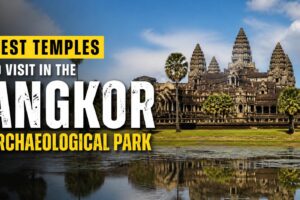
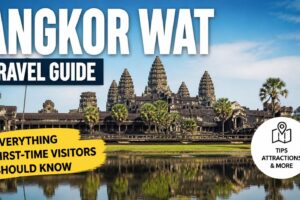
Siem Reap is the principal gateway to Angkor Wat, Bayon, Ta Prohm and many other monuments associated with the Khmer Empire.
Allow around three or four nights if you want to explore the temples and enjoy the city’s restaurants, markets and cultural attractions.
Phnom Penh
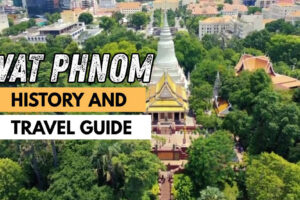
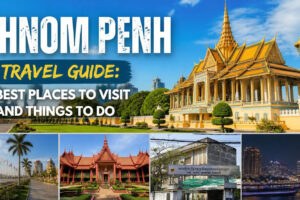
Cambodia’s capital offers the Royal Palace, National Museum, Wat Phnom, riverside scenery, markets and museums documenting the country’s history.
Two or three days provide a useful introduction.
Kampot and Kep
These southern destinations are known for riverside relaxation, countryside scenery, pepper-growing traditions, seafood and nearby natural attractions.
They are appealing for travelers who prefer slower journeys.
Koh Rong and Koh Rong Sanloem
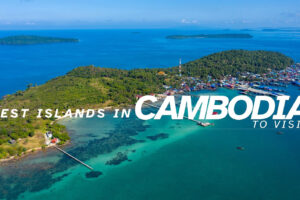
Cambodia’s best-known island destinations offer tropical beaches, resorts, snorkeling and opportunities for relaxation.
Plan around ferry connections and marine weather.
Battambang and Other Provincial Destinations
Battambang offers historic architecture, countryside experiences and cultural attractions, while regions such as Mondulkiri and Ratanakiri appeal to nature enthusiasts.
For a first visit focused on the main tourism route, seven to ten days is a good starting point. Travelers planning several provincial destinations or an extended island holiday may prefer two weeks or longer.
8. Budget for Angkor Wat and Other Entrance Fees
Attractions may have separate tickets, so include admission fees in your budget rather than calculating only accommodation and transportation.
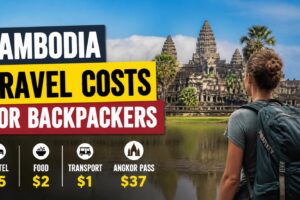
Most international visitors need an Angkor Pass to explore the principal temples within Angkor Archaeological Park.
As published by Angkor Enterprise in October 2026:
| Angkor Pass | Official Price | Validity |
|---|---|---|
| 1-day pass | US$37 | One visiting day |
| 3-day pass | US$62 | Three visits within seven days |
| 7-day pass | US$72 | Seven visits within thirty days |
The three-day pass is often the most useful option for travelers who want to explore the main temples without rushing.
Official ticket website: Angkor Enterprise.
Other destinations, museums and protected areas may have separate admission or conservation fees.
Remember that a park’s overall ticket validity does not necessarily mean every individual temple has the same daily opening hours.
9. Plan a Realistic Cambodia Travel Budget
Cambodia can accommodate budget travelers, mid-range holidaymakers and people seeking premium hotels or private guided tours.
However, actual costs depend on travel season, destination, accommodation standard and chosen activities.
Consider these broad daily planning allowances per person:
| Travel Style | Indicative Daily Budget | Typical Approach |
|---|---|---|
| Budget | US$30–50 | Guesthouses, local meals and shared transport |
| Mid-range | US$60–120 | Comfortable hotels, mixed dining and some private transfers |
| Comfort-focused | US$150+ | Upscale hotels, private drivers and premium experiences |
These figures are illustrative estimates, not live market quotations, and do not include international flights, major multi-day tours or significant one-off expenses.
A day exploring Angkor, a luxury island transfer or a long-distance private journey can increase your spending considerably.
Common Expenses to Remember
- Accommodation.
- Meals and drinking water.
- Intercity buses, private transfers or domestic flights.
- Tuk-tuks and local transport.
- Temple and museum tickets.
- Guided tours and activities.
- Ferries for island trips.
- Mobile data, insurance and miscellaneous costs.
Budget tip: Build a small contingency fund into your itinerary for delays, additional transport and unexpected expenses.
10. Understand Cambodian Riel and US Dollars
Cambodia’s official national currency is the Cambodian riel (KHR).
US dollars are also widely accepted, particularly in tourism-oriented businesses, although the riel is important for everyday purchases and smaller transactions.
For simple mental calculations, travelers often use a rough reference of around 4,000 riel per US dollar. This is only a convenient approximation, not a live exchange-rate quotation.
Which Currency Should You Carry?
Carry Cambodian riel for local restaurants, markets, transportation and smaller expenses.
US dollars can be useful for accommodation, tourism services and some larger purchases.
You may receive change in riel even when paying with dollars.
Be Careful with US-Dollar Banknotes
Damaged, badly torn or suspicious US-dollar notes can be difficult to use at individual businesses.
Check cash received as change, especially when receiving large denominations.
Ask for the price and currency before paying, and confirm the conversion used if the seller quotes in both currencies.
Practical tip: Using Cambodian riel for small purchases can make transactions simpler and avoid problems with dollar-note condition.
11. Prepare for QR Payments, Cards and Cash Withdrawals
Cash remains useful, but Cambodia has developed an extensive digital payment environment.
Many shops, cafés, restaurants and service providers display KHQR payment codes.
These codes are part of Cambodia’s interoperable payment ecosystem supported by the National Bank of Cambodia.
Bakong Tourists
The National Bank of Cambodia offers a service called Bakong Tourists, intended to help eligible international visitors make QR payments.
Its published materials describe registration, linking eligible payment cards and making KHQR transactions.
However, account verification, supported cards, funding methods and transaction conditions should be checked within the current official application.
Official information: National Bank of Cambodia – Bakong.
Are International Credit Cards Accepted?
International cards are accepted at many established hotels, larger restaurants and tourism businesses, but not universally.
ATMs are available in major towns and cities, though withdrawals may incur local or home-bank fees.
Remote destinations and small islands may have unreliable cash access.
Best approach: Use a combination of payment methods and keep sufficient cash for situations where cards or mobile payments do not work.
12. Choose Transportation Carefully
Getting around Cambodia is relatively straightforward along major tourism routes, but travel times and conditions vary widely.
Tuk-Tuks
Tuk-tuks are common in Phnom Penh, Siem Reap and other tourism centers.
They are useful for short journeys and sightseeing tours.
Agree on the price and route before departure if using a traditional street-hail service.
Ride-Hailing Apps
Apps such as Grab and PassApp can be helpful for requesting vehicles, confirming destinations and reviewing fares.
Service availability varies outside major towns.
Intercity Buses and Minivans
Scheduled road transport connects many of Cambodia’s main cities and provincial centers.
Choose an established operator, review luggage arrangements and allow extra time for road conditions.
Private Cars
Private cars can be convenient for families, groups and travelers who want flexibility.
For long distances, clarify whether the quotation includes fuel, tolls, waiting time and return travel.
Trains
Cambodia has passenger rail services on selected routes, but routes and schedules are more limited than its road transport network.
Check current operating days and departure times before incorporating rail travel into a fixed itinerary.
Boats and Ferries
Ferries connect Sihanoukville with Koh Rong, Koh Rong Sanloem and other island destinations.
Marine weather can delay or cancel departures, especially during the rainy season.
Safety tip: Avoid unnecessary overnight road journeys, check vehicle safety and never assume a rented scooter is automatically covered by your travel insurance.
13. Arrange Mobile Data and Internet Access
Internet access can make travel much easier, especially for maps, accommodation bookings, transportation apps and translation.
Cambodia has mobile networks offering prepaid SIM cards and data packages.
Well-known providers include Smart, Cellcard and Metfone, although available plans and coverage change.
Physical SIM or eSIM?
A physical Cambodian SIM can be convenient if your phone supports it and is unlocked.
An eSIM may be useful if your phone and chosen provider support the service.
Compare available packages according to trip length, coverage, data allowance and whether you need a Cambodian telephone number.
Valid identification is generally required for local SIM registration.
Where Is Coverage Strongest?
Mobile coverage is generally easier to obtain in Phnom Penh, Siem Reap and other main towns than in isolated forests or remote islands.
Download offline maps, accommodation contact details and travel confirmations before leaving well-connected areas.
14. Choose Accommodation That Fits Your Itinerary
Cambodia offers a wide range of accommodation, including budget guesthouses, boutique hotels, city apartments, family resorts and luxury properties.
For first-time visitors, location can matter more than hotel star ratings.
Where to Stay in Siem Reap
Central Siem Reap is convenient for restaurants, markets and arranging Angkor temple tours.
Travelers seeking a quieter atmosphere may prefer accommodation outside the busiest nightlife streets.
Where to Stay in Phnom Penh
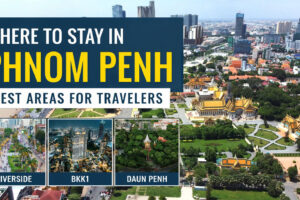
Riverside and Daun Penh are convenient for many historic attractions. BKK1 and other central neighborhoods offer additional modern hotels, cafés and dining options.
Where to Stay on the Islands
Before booking accommodation on Koh Rong or Koh Rong Sanloem, confirm the exact beach and ferry arrival pier.
A beautiful resort may be difficult to reach from the wrong pier.
Foreign Guest Registration
Cambodia uses the Foreigners Present in Cambodia System (FPCS) for recording foreign visitors’ accommodation details.
Hotels and guesthouses generally handle the registration of their guests.
If staying privately with friends, family or in independent accommodation, check the applicable registration responsibilities with your host and the immigration authorities.
Travel tip: Keep your accommodation address and booking confirmation available for arrival procedures and transportation.
15. Respect Cambodian Culture and Temple Etiquette
Cambodia has a rich cultural heritage shaped by Khmer traditions, Buddhism, historical connections with Hinduism and the diverse customs of local communities.
Travelers are warmly encouraged to enjoy this heritage while respecting religious and social norms.
Dress Appropriately at Temples
At Angkor Wat and other sacred places, avoid clothing that leaves the shoulders uncovered or exposes the legs above the knees.
Angkor Enterprise’s official visitor code prohibits revealing clothing in sacred areas.
Respect Buddhist Monks
Ask before photographing monks and avoid interrupting religious ceremonies.
Women should not touch male Buddhist monks or hand objects directly to them, in accordance with local monastic etiquette.
Be Mindful of Head and Feet
In Cambodian social etiquette, the head is treated with respect. Avoid touching another person’s head without permission.
Do not point your feet at people, Buddha images or sacred objects.
Use the Sampeah Greeting
The traditional Cambodian greeting, sampeah, involves placing the hands together in front of the body and slightly bowing the head.
Travelers do not need to master every level of formal etiquette, but making a respectful effort is appreciated.
Ask Before Taking Photographs
Always ask permission before photographing people in private settings or during religious activities.
Respect photography restrictions at temples, museums, government buildings and security-sensitive locations.
16. Enjoy Cambodian Food with Sensible Food and Water Precautions
Trying Cambodian cuisine is one of the highlights of visiting the country.
Popular dishes include fish amok, num banh chok, beef lok lak, Khmer curries, grilled seafood and traditional desserts.
Phnom Penh and Siem Reap offer everything from local food stalls to contemporary Cambodian restaurants.
Is Cambodian Street Food Safe?
Street food can be an enjoyable part of the travel experience, but food hygiene standards vary.
Choose vendors that prepare food freshly, serve dishes hot and handle ingredients hygienically.
Use safe drinking water and be cautious with ice or uncooked foods when the water source and handling standards are uncertain.
Can You Drink Tap Water?
Visitors should not generally assume that tap water is safe to drink across Cambodia.
Use properly treated water or reliable sealed bottled water, and follow appropriate food and water precautions.
What About Dietary Restrictions?
Vegetarian and other dietary options are available in larger tourism centers, but travelers with severe allergies should communicate their requirements carefully.
Consider carrying a translated allergy explanation in Khmer.
17. Prepare for Mosquitoes, Heat and Travel Health Risks
A pre-travel health consultation is advisable, particularly for travelers visiting rural or forested areas.
The US Centers for Disease Control and Prevention (CDC) recommends that travelers be up to date with routine vaccinations and discuss protection against diseases such as hepatitis A and typhoid.
Additional vaccines or medicines may be appropriate depending on your itinerary, medical history and activities.
Dengue Fever
Dengue is present in Cambodia and can occur throughout the year.
Mosquito-bite prevention is important even in cities.
Use effective insect repellent, appropriate clothing and accommodation with screens or other mosquito protection.
Malaria
Malaria risk is concentrated primarily in certain rural and forested areas.
According to the CDC, there is little to no malaria transmission in central Phnom Penh, Siem Reap city or the main Angkor Wat temple area.
Travelers planning overnight forest excursions should discuss whether malaria-prevention medication is recommended with a qualified health professional.
Yellow Fever Documentation
Cambodia may require proof of yellow fever vaccination from travelers arriving from countries with recognized yellow fever transmission risk, including certain transit circumstances.
Check the current country-specific rule if your journey originates in or transits through an affected country.
Heat and Hydration
Tropical heat can make temple sightseeing and outdoor excursions tiring.
Drink enough safe water, wear light breathable clothing and take breaks during the hottest part of the day.
Official health guidance: CDC – Cambodia Traveler Health.
18. Buy Travel Insurance and Know Emergency Procedures
Travel insurance is strongly recommended for international visitors to Cambodia.
Check that your policy covers medical treatment, emergency transportation, planned activities and applicable travel advisories.
For remote trekking or island travel, review whether it includes medical evacuation.
Some serious medical situations may require treatment outside the immediate destination, and access to emergency care can be more limited in provincial or island areas.
Cambodia Emergency Numbers
| Service | Telephone Number |
|---|---|
| Police | 117 |
| Fire | 118 |
| Ambulance | 119 |
These numbers are listed by the UK government, but emergency response and English-language support may be limited in some locations.
Save the contact details of your hotel, insurer and embassy or consulate.
Ask your accommodation which medical facility is most appropriate in an emergency.
19. Understand Cambodia’s Main Safety Risks
Many visitors enjoy Cambodia without serious problems, but travelers should remain aware of risks involving traffic, theft, scams and certain restricted rural areas.
Phone and Bag Snatching
Bag and phone snatching can occur, particularly around busy roads and tourism areas.
Keep your phone away from the traffic-facing side of a tuk-tuk and carry bags securely.
Take particular care when walking close to passing motorcycles.
Road Safety
Traffic conditions can be unpredictable, and road accidents are a serious concern.
Use experienced drivers, wear helmets where required and avoid unnecessary long-distance road travel after dark.
Scams and Unofficial Fees
Use the official Cambodian government websites for visas and e-Arrival.
Be cautious of fake visa intermediaries, unusually expensive border services, suspicious job offers and unfamiliar businesses asking to hold your passport.
Agree on transportation fares in advance when prices are not displayed or confirmed through an app.
Landmines and Unexploded Ordnance
Cambodia continues to face risks from landmines and unexploded ordnance in some rural and former conflict areas.
Stay on established routes, obey warning signs and never touch suspicious metal objects.
Do not venture away from authorized paths near remote archaeological sites or border areas.
Thailand Border Security
Because of the 2025 conflict and continuing restrictions reported in October 2026, avoid treating the Cambodia–Thailand land frontier as a routine tourist transit route.
Review current advice from the Cambodian authorities and your home government before planning travel anywhere near affected areas.
Official advisories: UK Foreign Travel Advice and US Department of State – Cambodia Travel Advisory.
20. Pack Smart and Learn a Few Khmer Words
You do not need an enormous suitcase to explore Cambodia, but packing for tropical weather and cultural sightseeing makes the journey more comfortable.
Essential Packing Checklist
- Passport and any required visa documentation.
- e-Arrival confirmation and travel bookings.
- Travel insurance details.
- Lightweight, breathable clothing.
- Modest clothing covering shoulders and knees for religious sites.
- Comfortable walking shoes.
- Sandals suitable for ordinary travel.
- Sun hat, sunscreen and sunglasses.
- Rain jacket or compact umbrella during the wet season.
- Mosquito repellent.
- Reusable water bottle suitable for safe drinking water.
- Required medications and a small first-aid kit.
- Phone charger and suitable plug adapter.
- Offline maps and electronic document backups.
- Small amounts of Cambodian riel and usable US-dollar notes.
Electricity and Plugs
Cambodia generally uses 230 volts and 50 hertz.
Electrical outlets vary, so a universal travel adapter can be useful. Check that your electrical equipment supports the local voltage.
Useful Khmer Phrases
| Khmer | English Meaning | Approximate Pronunciation |
|---|---|---|
| សួស្តី | Hello | Suos-dei |
| អរគុណ | Thank you | Or-kun |
| សុំទោស | Excuse me / Sorry | Som-toh |
| បាទ / ចាស | Yes, polite particles | Bat / Chas |
| ទេ | No | Te |
| ប៉ុន្មាន? | How much? | Pon-man? |
| ឆ្ងាញ់ | Delicious | Chhnganh |
| លាហើយ | Goodbye | Lea-haey |
Pronunciation varies, and these simplified guides are approximate. Even a small attempt to speak Khmer can make everyday interactions more enjoyable.
Suggested Cambodia Itineraries for First-Time Visitors
Five Days: A Short Introduction
Days 1–3: Stay in Siem Reap and visit Angkor Wat, Bayon, Ta Prohm and selected local attractions.
Days 4–5: Visit Phnom Penh, exploring the Royal Palace, National Museum and riverside, with additional historical sites according to your interests.
This itinerary is fairly fast-paced and works best with carefully planned intercity transportation.
Seven Days: Temples and City Culture
Days 1–4: Explore Siem Reap, Angkor Archaeological Park and local cultural experiences at a comfortable pace.
Days 5–7: Travel to Phnom Penh and explore the capital’s museums, royal heritage, markets and restaurants.
This is an appealing first itinerary for travelers primarily interested in Cambodian history and culture.
Ten Days: Temples, Cities and the Coast
Days 1–4: Siem Reap and Angkor.
Days 5–6: Phnom Penh.
Days 7–10: Continue to Kampot, Kep or a coastal island destination, according to your preferred travel style and current transportation arrangements.
If visiting an island, include adequate travel time for ferry connections and possible marine-weather delays.
Final Checklist Before Flying to Cambodia
Use this checklist in the final days before departure:
- Confirm your passport validity and condition.
- Verify your nationality’s visa requirements and permitted stay.
- Obtain your e-Visa in advance if required or preferred.
- Complete the free Cambodia e-Arrival process within the applicable time window.
- Check your airline’s airport code and terminal instructions.
- Review the latest travel advisory and border restrictions.
- Confirm accommodation and arrival transportation.
- Review recommended vaccinations and travel health precautions.
- Purchase suitable travel insurance.
- Arrange mobile connectivity and download offline maps.
- Prepare local currency and backup payment methods.
- Pack modest clothing for temples and appropriate weather protection.
- Save the contact details of your hotel, insurer and emergency services.
Frequently Asked Questions About Traveling to Cambodia
Is Cambodia worth visiting for first-time travelers?
Yes. Cambodia offers a distinctive combination of Khmer history, Buddhist culture, traditional food, modern city life, tropical islands and natural scenery. First-time visitors often begin with Siem Reap and Phnom Penh.
Do I need a visa to visit Cambodia?
Many travelers require a visa, while some nationalities qualify for visa-free entry. Check the rules for your passport and entry point through the official Cambodian e-Visa service or your nearest Cambodian embassy.
How much is the Cambodia tourist e-Visa in 2026?
The official tourist e-Visa, Visa T, is listed at US$30, with single entry and a one-month stay. Its normal processing time is three business days.
Is Cambodia e-Arrival free?
Yes. The official Cambodia e-Arrival submission is free. Use arrival.gov.kh rather than an unofficial paid intermediary.
Do I need e-Arrival if I already have a visa?
Yes, international air travelers should complete the applicable e-Arrival procedure even if they already hold a valid Cambodian visa.
Can tourists cross from Thailand to Cambodia by land in October 2026?
As of October 16, 2026, the UK government reports that land crossings between Cambodia and Thailand remain suspended. Travelers must check for any formally announced reopening before planning a journey across this border.
Which airport serves Phnom Penh in 2026?
Techo International Airport (KTI) is the principal international airport serving Phnom Penh. It began commercial operations on September 9, 2025.
What is the best month to visit Cambodia?
November through February generally offers comfortable conditions for temple sightseeing and city travel. Other months can be rewarding, but travelers should prepare for stronger heat or seasonal rain.
How many days should I spend in Cambodia?
Seven to ten days is a useful first-trip duration. A longer itinerary is recommended if you want to combine Siem Reap, Phnom Penh, provincial destinations and beach holidays.
Should I use US dollars or Cambodian riel?
Both currencies are widely used. Cambodian riel is particularly useful for smaller daily purchases, while US dollars remain accepted at many tourism businesses. Carry clean notes and confirm prices before paying.
Can tourists use QR payments in Cambodia?
Yes, KHQR payments are widely used, though eligibility depends on the visitor’s payment account and application. The National Bank of Cambodia provides information about its Bakong Tourists service.
Is Cambodia safe for tourists?
Many people visit Cambodia successfully, but travelers should take precautions against theft, traffic accidents, scams and location-specific security risks. Follow official travel advisories, particularly regarding the Cambodia–Thailand border and remote former conflict areas.
Can I drink tap water in Cambodia?
Visitors should not assume tap water is safe to drink throughout Cambodia. Use reliably treated or properly sealed bottled water, and follow appropriate food hygiene precautions.
Do I need malaria medication for Cambodia?
That depends on your itinerary. The CDC identifies malaria risks primarily in certain rural and forested regions, with little to no transmission in Phnom Penh, central Siem Reap or the main Angkor Wat temple area. Seek personalized advice from a qualified health professional.
What should I wear to Angkor Wat?
Clothing should cover the shoulders and knees. Dress respectfully at Buddhist sites and follow any additional restrictions for upper sanctuaries or sacred areas.
Is Cambodia suitable for solo travelers?
Yes, many solo travelers explore Cambodia independently. It is important to choose reputable transport, secure valuables, avoid unnecessary isolated travel after dark and share important travel plans with someone you trust.
Can I visit Cambodia during the rainy season?
Yes. The rainy season brings beautiful green scenery, but visitors should allow flexibility for heavy showers, difficult rural roads, dangerous waterfall currents and possible ferry cancellations.
What are the most important things to arrange before traveling?
Check passport validity, visa eligibility, e-Arrival, flights, insurance, accommodation, current security advisories and transportation connections. These details form the foundation of a well-prepared Cambodia trip.
Official Sources and References
This guide prioritizes official Cambodian government websites, Cambodian tourism authorities, international travel advisory services and the CDC. Rules and guidance were reviewed on October 16, 2026. Travelers should consult current sources again before departure.
- Cambodia Ministry of Foreign Affairs – Official e-Visa: Tourist visa fees, processing time, eligibility and entry checkpoints.
- Cambodia e-Visa – Visa Type Information: Visa validity, length of stay, passport requirements and fees.
- Cambodia General Department of Immigration: Electronic arrival procedures and immigration guidance.
- Cambodia e-Arrival – Official Portal: Free electronic arrival submission.
- UK Government – Cambodia Entry Requirements: Passport validity, visas, e-Arrival and entry conditions.
- UK Government – Cambodia Travel Advice: Current border warnings and broader travel risks.
- US Department of State – Cambodia Travel Advisory: Security risks, regional advisories and entry information.
- Techo International Airport – September 9, 2025 Opening: Confirmation of the new Phnom Penh airport’s commercial operations.
- Cambodia Ministry of Tourism – Country Fact Sheet: Currency, climate, language and general visitor information.
- Cambodia Ministry of Tourism – Advice for Travelers: Clothing, social customs and cultural etiquette.
- Angkor Enterprise – Available Tickets: Official Angkor Pass prices and ticket conditions.
- Angkor Enterprise – Visitor Code of Conduct: Religious etiquette, appropriate clothing and heritage conservation.
- National Bank of Cambodia – Bakong: KHQR and Cambodian digital payments.
- National Bank of Cambodia – Bakong Tourists Information: Digital payment options for eligible international visitors.
- CDC – Cambodia Traveler Health: Vaccinations, mosquito-borne diseases, medications and medical preparation.
- CDC Yellow Book 2026 – Cambodia: Destination-specific medical risks, malaria geography and travel safety.
- UK Government – Getting Help in Cambodia: Police, fire and ambulance numbers and emergency guidance.
Conclusion: Prepare Well and Enjoy Cambodia
Traveling to Cambodia offers the chance to discover one of Southeast Asia’s most fascinating destinations. Its magnificent Angkorian temples, Buddhist heritage, welcoming communities, flavorful cuisine and diverse landscapes provide countless reasons to visit.
For first-time travelers, the most important preparation involves understanding visa and e-Arrival requirements, choosing the correct airport, checking current border restrictions, arranging reliable transportation and preparing for Cambodia’s climate.
It also helps to learn a little about local customs, carry practical payment options, protect your belongings and choose activities that respect Cambodia’s people, wildlife and cultural heritage.
Allow enough time to explore without rushing. Whether you spend a week discovering Angkor and Phnom Penh or several weeks traveling through provincial towns and coastal landscapes, Cambodia rewards curiosity, patience and thoughtful travel.
With these 20 Cambodia travel tips, you can prepare more confidently, avoid common mistakes and focus on the experiences that make the Kingdom of Wonder special.
Plan your Cambodia journey with GoToKH.com for detailed guides to visas, e-Arrival, transport, money, safety, Angkor Wat, Phnom Penh, Cambodian culture, islands and unforgettable destinations throughout the country.
