Phnom Kulen National Park Guide: Waterfalls, Ancient Temples & Visitor Tips

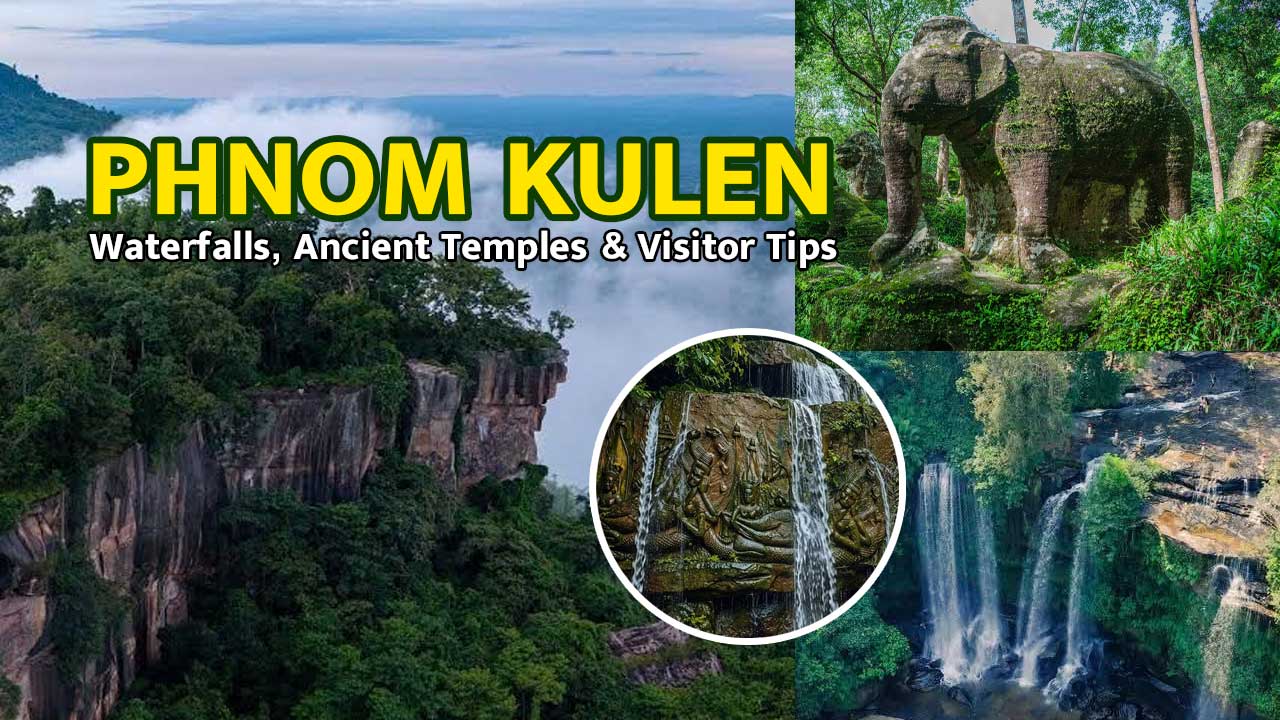
Phnom Kulen National Park is one of Cambodia’s most important natural and historical destinations. Located north of Siem Reap, this sacred mountain combines tropical forests, impressive waterfalls, ancient temples, and religious sites connected to the early history of the Khmer Empire.
Known as the birthplace of the Angkorian kingdom, Phnom Kulen offers a different experience from the famous temples of Angkor Wat. Visitors can explore the reclining Buddha at Preah Ang Thom, discover ancient carvings in a riverbed, walk through forested landscapes, and enjoy a refreshing swim beneath the mountain’s waterfalls.
For travelers staying in Siem Reap, Phnom Kulen is an excellent full-day excursion for discovering Cambodia’s natural beauty and cultural heritage.
Phnom Kulen National Park at a Glance
| Location | Siem Reap Province, Cambodia |
|---|---|
| Distance from Siem Reap | Approximately 48–50 km, depending on the destination within the park |
| Protected Area | Approximately 373.75 km² |
| Established | 1993 |
| Historical Name | Mahendraparvata |
| Major Attractions | Phnom Kulen Waterfall, Preah Ang Thom, River of a Thousand Lingas, and ancient archaeological sites |
| Suggested Visit | One full day |
| Foreign Visitor Entrance Fee | US$20, according to published visitor information |
Why Is Phnom Kulen Important in Cambodian History?
Phnom Kulen is closely connected to the early development of the Khmer Empire. The mountain was historically known as Mahendraparvata, an ancient capital established during the late eighth and early ninth centuries.
According to ancient inscriptions, King Jayavarman II proclaimed independence from Java in 802 CE at Mahendraparvata. This event is traditionally associated with the beginning of the Angkorian period and the development of the Khmer royal tradition.
Archaeological research, including LiDAR mapping, has revealed an extensive ancient urban landscape with brick temples, reservoirs, channels, dams, and settlement structures. These discoveries show that Phnom Kulen was much more than a religious mountain; it was an important early center of Khmer civilization.
Mahendraparvata is included on Cambodia’s submission to the UNESCO World Heritage Tentative List. This is a proposed heritage site, not a place that should be described as already inscribed on the World Heritage List.
Best Places to Visit in Phnom Kulen National Park
1. Phnom Kulen Waterfall
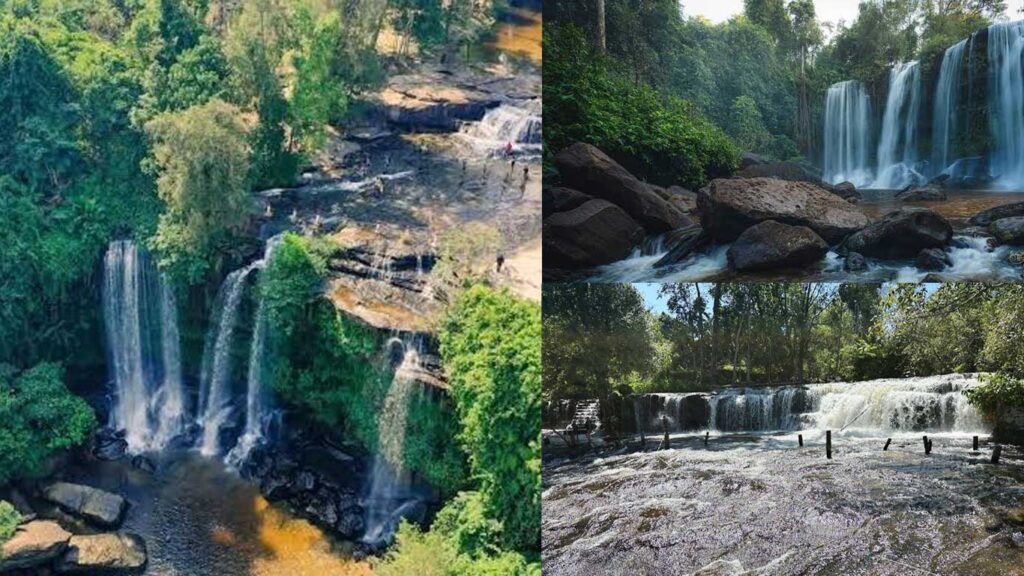
The Phnom Kulen Waterfall is one of the park’s most popular natural attractions. Surrounded by forest and rocky landscapes, the waterfall provides a refreshing place to relax after exploring the mountain’s historical sites.
The waterfall has two main levels, with the lower cascade creating a natural pool where visitors can enjoy swimming when water conditions are suitable. The surrounding area is also popular with Cambodian families who visit for picnics and weekend outings.
Water levels change with the seasons. The waterfall is generally more impressive toward the end of the rainy season, while its flow may become weaker during the hotter dry months.
Visitor tip: Bring a towel, spare clothes, and suitable footwear. Rocks near the water can be slippery, so be careful when swimming or walking around the falls.
2. Preah Ang Thom and the Reclining Buddha
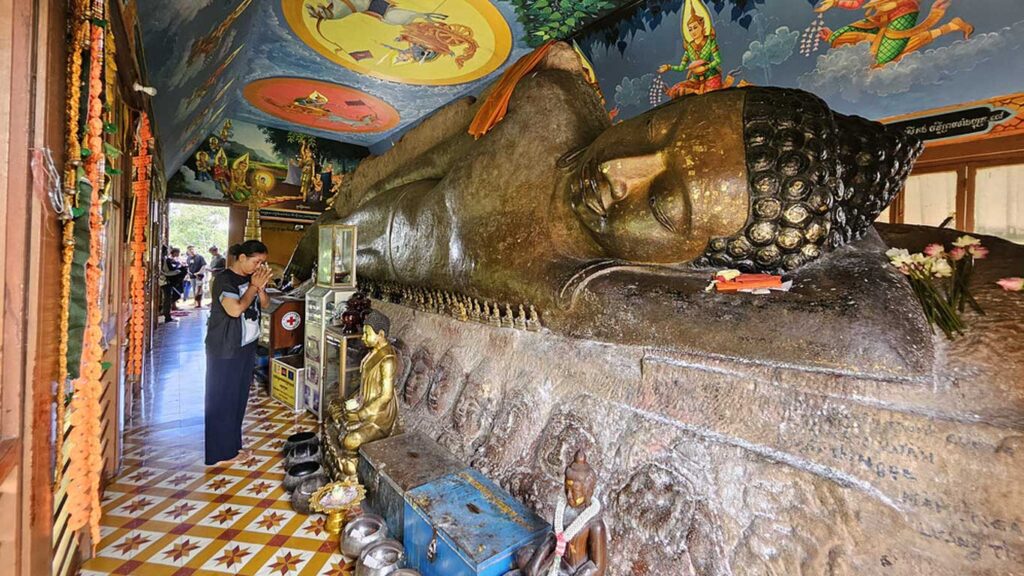
Preah Ang Thom is one of the most sacred religious sites on Phnom Kulen. This important pagoda is famous for its large reclining Buddha carved directly into a natural sandstone boulder.
The reclining Buddha is approximately eight metres long and is an important place of worship for Cambodian Buddhists. Visitors can climb the steps to the religious complex, pay their respects, and appreciate the peaceful atmosphere of the mountain.
Preah Ang Thom remains an active religious site, attracting pilgrims from different parts of Cambodia.
Visitor tip: Dress modestly by covering your shoulders and knees. Remove your shoes where requested and behave respectfully around worshippers.
3. The River of a Thousand Lingas
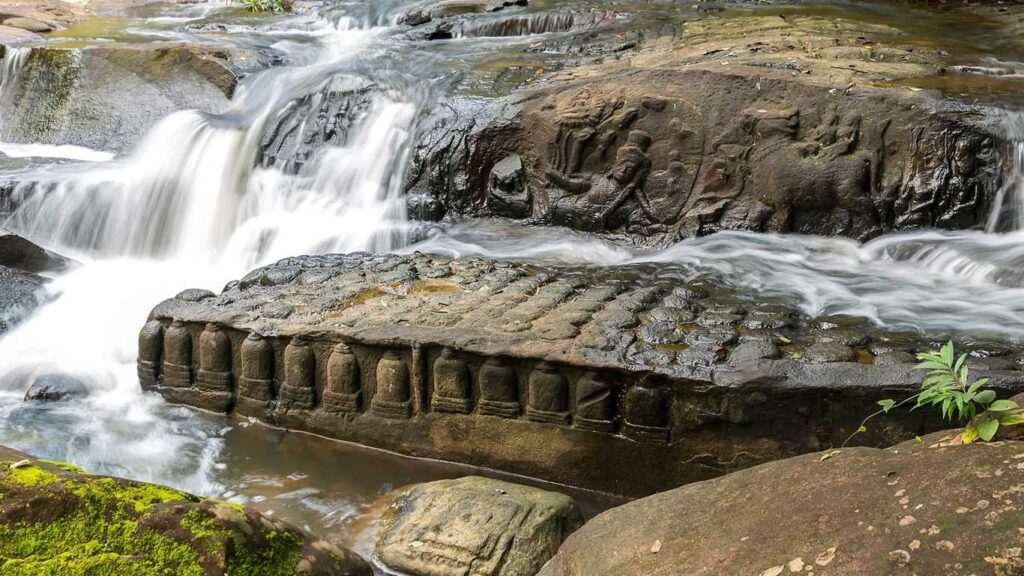
The River of a Thousand Lingas is one of Phnom Kulen’s most fascinating archaeological attractions. Ancient Hindu symbols, including lingas and yonis, were carved directly into sections of the sandstone riverbed.
These carvings are associated with Hindu religious beliefs and the sacred symbolism of water. As water flows over the carved stones, the site reflects the relationship between religion, nature, and water in ancient Khmer civilization.
Visitors can walk along designated paths and observe the carvings in the riverbed. Water levels vary throughout the year, so the visibility of the carvings depends on weather and seasonal conditions.
Important distinction: Kbal Spean is another famous carved riverbed on the western slopes of the Phnom Kulen mountain range. It is a different archaeological site from the One Thousand Lingas attraction on the main plateau and requires a separate approach.
4. Ancient Temples and Mahendraparvata Archaeological Sites
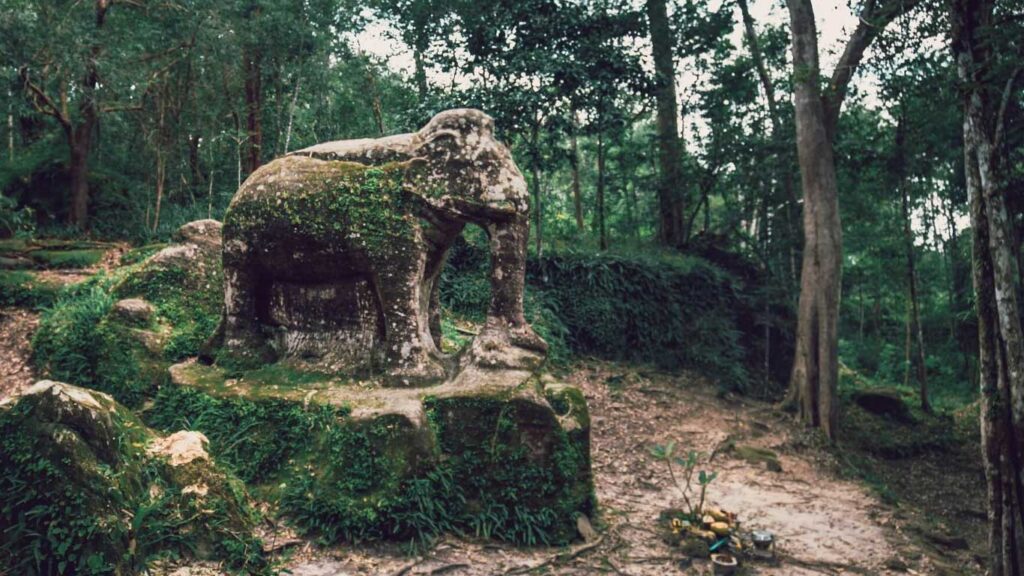
Beyond its main tourist attractions, Phnom Kulen contains many archaeological remains from the early Angkorian period. Researchers have identified numerous brick temples, ancient reservoirs, water channels, and other structures across the plateau.
One notable monument is Prasat Rong Chen, an early pyramid-shaped temple associated with the ancient capital. Other archaeological locations are spread throughout forested areas and are not all easily accessible to ordinary visitors.
Travelers interested in archaeology should consider arranging a knowledgeable local guide or a suitable community-based trek rather than exploring remote ruins independently.
Best Time to Visit Phnom Kulen
The best time depends on whether you prefer comfortable weather, greener forest scenery, or stronger waterfalls.
| Season | What to Expect |
|---|---|
| November–February | Generally cooler and comfortable for exploring the mountain and visiting religious sites. |
| March–May | Hotter conditions and typically lower waterfall levels, especially toward the end of the dry season. |
| June–July | Greener landscapes with increasing rainfall; check road and weather conditions. |
| August–November | Often a good period for fuller waterfalls and lush forest scenery, although rain can make paths slippery. |
Best time of day: Start early in the morning. The mountain access road operates with controlled one-way traffic, so the morning uphill schedule is an important part of planning your visit.
Phnom Kulen Entrance Fee and Road Access
Entrance Fee
Published visitor information lists an entrance fee of US$20 per foreign visitor. Cambodian nationals can enter free with valid identification, according to the Phnom Kulen visitor information service.
Phnom Kulen National Park is managed separately from Angkor Archaeological Park. The standard Angkor Pass does not cover Phnom Kulen, and the Phnom Kulen ticket does not provide admission to the Angkor temples.
Bring cash in US dollars or Cambodian riel. Confirm the current fee and ticket arrangements before traveling, as visitor policies may change.
Important: The One-Way Mountain Road
One of the most important things to understand before visiting Phnom Kulen is the controlled traffic schedule on the main mountain road. Vehicles normally travel uphill during the morning and downhill later in the day.
Published local guidance gives slightly different uphill cut-off times, generally between 11:00 AM and 11:30 AM. To avoid being turned back, aim to reach the checkpoint well before 10:30 AM and confirm the current schedule with your driver or tour operator.
Do not plan to arrive around lunchtime and expect to drive up the mountain. The road schedule can determine whether your visit is possible that day.
How to Get to Phnom Kulen from Siem Reap
Phnom Kulen is approximately 48–50 km from Siem Reap town. The journey usually takes around 1.5 to 2 hours by car, depending on traffic, the starting point, and the final destination within the park.
- Private car with driver: A convenient option for couples, families, and small groups. The driver can manage the mountain-road schedule.
- Van: Suitable for larger groups or travelers who prefer more space.
- Organized tour: Useful for visitors who want transportation and a planned sightseeing schedule.
- Motorbike: Best considered only by experienced riders who understand the road conditions and local traffic rules.
Do not assume that every tuk-tuk can travel up the steep mountain road. Confirm the vehicle type and route with your transport provider before booking.
Find Phnom Kulen National Park on Google Maps
Suggested One-Day Phnom Kulen Itinerary
A full day is recommended because of the distance from Siem Reap and the mountain-road traffic restrictions.
- Early morning: Leave Siem Reap by car or van and reach the mountain checkpoint before the uphill traffic cut-off.
- Morning: Visit Preah Ang Thom and see the reclining Buddha.
- Late morning: Explore the River of a Thousand Lingas and its ancient stone carvings.
- Midday: Visit the waterfall area, enjoy lunch, and relax in the natural surroundings.
- Afternoon: Follow the controlled downhill traffic schedule and return to Siem Reap.
Actual visit order and timing should be adjusted to current road controls, weather, and site access.
Practical Tips for Visiting Phnom Kulen
- Start early and confirm the one-way road schedule before departure.
- Bring enough drinking water for the journey and time on the mountain.
- Wear comfortable shoes with good grip for walking on uneven and slippery surfaces.
- Bring sunscreen, insect repellent, a hat, and a light rain jacket during the wet season.
- Carry cash because ATMs and reliable card-payment facilities may not be available in remote areas.
- Bring a swimsuit, towel, and spare clothing if you plan to swim.
- Dress respectfully when visiting pagodas and sacred places.
- Do not climb ancient structures, disturb archaeological remains, or leave marked paths.
- Keep the forest and waterways clean by taking your rubbish with you.
Frequently Asked Questions
Is Phnom Kulen worth visiting?
Yes. Phnom Kulen offers a combination of waterfalls, forest scenery, Buddhist religious sites, and important Khmer archaeological heritage. It is especially worthwhile for travelers who have an extra day in Siem Reap.
How far is Phnom Kulen from Siem Reap?
The park’s main visitor area is approximately 48–50 km from Siem Reap town. The drive generally takes around 1.5 to 2 hours, depending on traffic and the destination.
How much is the Phnom Kulen entrance fee?
Published visitor information lists the fee at US$20 for foreign visitors. Cambodian nationals can enter free with valid identification. Check the current arrangements before your trip.
Can I use my Angkor Pass to visit Phnom Kulen?
No. Phnom Kulen National Park has a separate entrance ticket and is not included in the standard Angkor Pass.
Can visitors swim at Phnom Kulen Waterfall?
Yes. Visitors can swim in designated natural pools when water conditions allow. Be careful around slippery rocks and respect the local atmosphere, particularly when Cambodian families are visiting.
What is the best month to visit Phnom Kulen?
August to November is generally a good period for fuller waterfalls and green scenery. November to February is often more comfortable for walking and sightseeing. Actual conditions depend on rainfall.
Why is Phnom Kulen important to Cambodian history?
Phnom Kulen was the location of Mahendraparvata, an early Khmer capital. It is associated with King Jayavarman II’s declaration of independence from Java in 802 CE, an event traditionally connected with the beginning of the Angkorian period.
Explore More Destinations in Siem Reap
Phnom Kulen is an excellent addition to a longer stay in Siem Reap. Continue exploring Cambodia’s heritage and travel destinations with these GoToKH guides:
- Siem Reap Travel Guide: Best Places to Visit and Things to Do
- Best Temples to Visit in the Angkor Archaeological Park
- Cambodia Travel Guide for First-Time Visitors
Final Thoughts
Phnom Kulen National Park is a remarkable destination where Cambodia’s natural environment and ancient history come together. From the peaceful atmosphere of Preah Ang Thom to the carved riverbed and refreshing waterfalls, the mountain offers experiences that are very different from the main Angkor temple circuit.
For visitors staying in Siem Reap, a well-planned day trip to Phnom Kulen is a rewarding way to discover another important part of Cambodia’s cultural and natural heritage. Start early, respect the mountain’s religious sites, and take time to enjoy its forests and waterfalls.
Sources and Further Information