























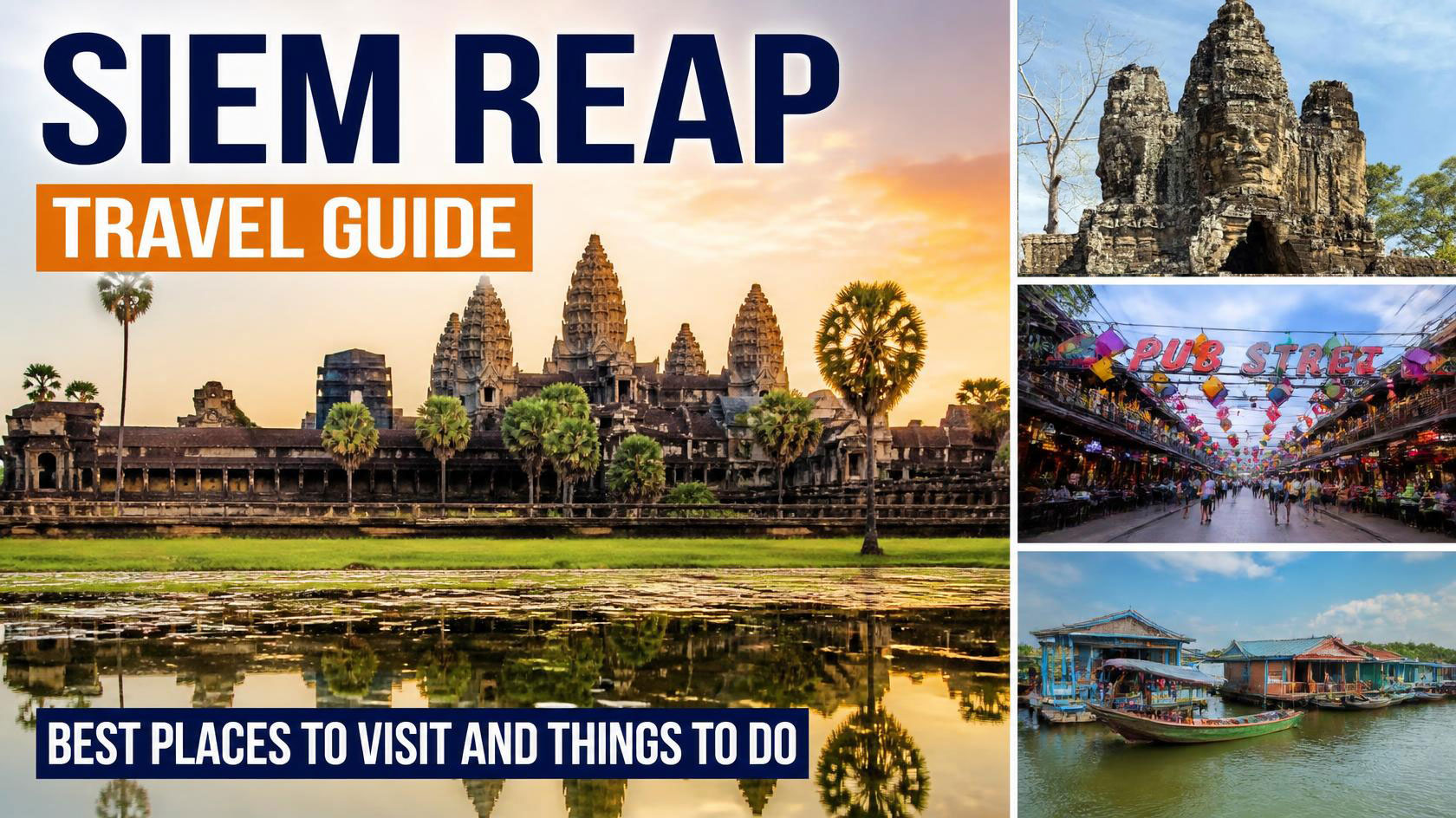

Welcome to Siem Reap, Cambodia, a destination where ancient Khmer temples, rich cultural traditions, peaceful countryside, and vibrant modern life come together. Best known as the gateway to the magnificent Angkor Wat temple complex, Siem Reap is one of Southeast Asia’s most fascinating destinations for history lovers, cultural travelers, families, and adventure seekers.
While Angkor Wat is the main attraction, there is much more to discover beyond the temples. Visitors can explore traditional markets, enjoy authentic Cambodian food, discover local crafts, attend cultural performances, visit villages near Tonle Sap Lake, and experience the natural beauty of Phnom Kulen National Park.
Whether you are planning your first trip to Cambodia or returning to explore more of the country, this comprehensive Siem Reap travel guide covers the best places to visit, top things to do, entrance fees, transportation, accommodation areas, itineraries, and practical travel tips.
Siem Reap at a Glance
- Location: Northwestern Cambodia
- Famous for: Angkor Wat and the temples of the Khmer Empire
- Best for: History, culture, architecture, photography, food, and nature
- Recommended stay: Three to five days
- Best time to visit: Generally November to February
- Nearest airport: Siem Reap–Angkor International Airport (SAI)
- Local currency: Cambodian Riel (KHR), with US dollars also widely accepted
- Main language: Khmer, with English commonly spoken in tourism businesses
Why Visit Siem Reap?
Siem Reap is home to one of the world’s most remarkable archaeological landscapes. The Angkor Archaeological Park, recognized as a UNESCO World Heritage Site in 1992, covers approximately 400 square kilometers and contains temples, ancient reservoirs, canals, roads, and the remains of cities developed during the Khmer Empire.
Angkor Wat, Bayon, Ta Prohm, and Preah Khan are among the outstanding examples of Khmer architecture that visitors can explore today. These monuments reveal the artistic, religious, and engineering achievements of Cambodia’s past.
However, Siem Reap is not simply an archaeological destination. Its town center offers colorful markets, welcoming restaurants, independent cafés, art galleries, and cultural activities. The surrounding countryside also provides opportunities to experience traditional Cambodian livelihoods, nature, and village life.
For travelers seeking a combination of heritage, local culture, and memorable experiences, Siem Reap deserves a prominent place on any Cambodia itinerary.
Best Places to Visit in Siem Reap
1. Angkor Wat – Cambodia’s Most Famous Temple
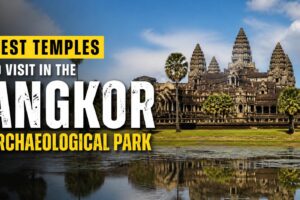
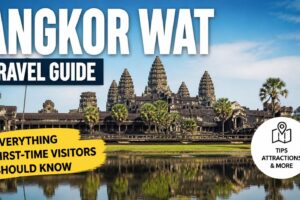
Angkor Wat is the highlight of almost every visit to Siem Reap and one of the most extraordinary religious monuments in the world.
Built during the reign of King Suryavarman II in the early twelfth century, the temple was originally dedicated to the Hindu god Vishnu. Over time, it also became an important Buddhist sacred site.
The temple is celebrated for its monumental scale, harmonious architecture, beautiful towers, stone galleries, and exceptionally detailed bas-reliefs.
One of the most popular experiences is watching sunrise over Angkor Wat. During favorable weather, the temple’s iconic towers form a dramatic silhouette against the morning sky, sometimes reflected in the surrounding ponds.
Beyond the famous sunrise viewpoint, take time to walk through the galleries and study the ancient carvings. These illustrate religious stories, historical scenes, and elements of Khmer civilization.
Travel tips: Arrive early for sunrise, bring sufficient water, wear appropriate clothing, and allow at least two to three hours to explore the temple. Upper-level access may be restricted for safety, religious observances, and visitor management.
2. Angkor Thom and Bayon Temple – Discover the Ancient Royal City
Angkor Thom was a major royal city established under King Jayavarman VII in the late twelfth century. Its impressive gateways, surrounding walls, and monumental structures reveal the scale of Khmer imperial urban planning.
At the heart of Angkor Thom stands Bayon Temple, famous for its large stone faces, intricate carvings, and distinctive architecture.
Visitors can admire the sculpted faces from different viewpoints while exploring the temple’s galleries and historical reliefs.
Other attractions in the Angkor Thom area include the Terrace of the Elephants, Terrace of the Leper King, and the remains of important ceremonial structures.
Travel tips: Combine Bayon with the South Gate of Angkor Thom and nearby terraces. Allow approximately two hours or more if you enjoy history and photography.
3. Ta Prohm – The Famous Jungle Temple
Ta Prohm is one of the most atmospheric temples in the Angkor complex. It is widely recognized for the enormous tree roots that grow around and over sections of its ancient stone structures.
Built during the reign of Jayavarman VII, the temple was originally part of a Buddhist monastic complex. Today, it is a striking example of the relationship between nature, architecture, and the passage of time.
While conservation work has stabilized much of the site, carefully preserved tree-root formations remain a defining feature of the visitor experience.
Ta Prohm is also internationally recognized as one of the filming locations associated with the movie Lara Croft: Tomb Raider.
Travel tips: Visit early to avoid the busiest periods, stay on designated paths, and never climb on ancient structures or tree roots.
4. Banteay Srei – The Temple of Exquisite Carvings
Located northeast of the main Angkor temple area, Banteay Srei is celebrated for its remarkably detailed sandstone carvings.
The temple dates to the tenth century and is dedicated principally to the Hindu god Shiva. Its smaller architectural scale allows visitors to appreciate the precision and beauty of Khmer stone carving at close range.
The decorative lintels, doorways, and sculpted scenes are among the finest examples of classical Khmer art.
The journey also offers opportunities to see parts of the countryside outside central Siem Reap.
Travel tips: Visit in the morning when possible and consider combining Banteay Srei with other attractions along the same route. Because it is farther from town, allow additional travel time.
5. Preah Khan – Explore an Impressive Ancient Complex
Preah Khan is a large temple complex associated with King Jayavarman VII. It includes long corridors, stone gateways, courtyards, and intricate carvings.
Compared with the most heavily visited temples, Preah Khan often offers opportunities for a slower exploration of Khmer architecture.
Its extensive layout makes it especially rewarding for visitors who appreciate atmospheric ruins and historical detail.
Travel tips: Include Preah Khan on the Angkor Grand Circuit, together with Neak Pean, Ta Som, East Mebon, or Pre Rup.
6. Phnom Bakheng – Enjoy Elevated Views Near Angkor
Phnom Bakheng is an early Angkorian temple situated on a hill near Angkor Wat. It is well known for elevated views across the surrounding landscape.
The location attracts visitors around sunset, when the changing light creates picturesque conditions over the ancient temple surroundings.
However, visitor numbers and access to particular areas can be restricted for safety and conservation reasons.
Travel tips: Arrive early if planning a sunset visit, follow visitor-capacity controls, and wear shoes suitable for walking uphill.
7. Angkor National Museum – Understand Khmer Civilization
Before or after exploring the temples, consider visiting the Angkor National Museum in Siem Reap town.
The museum features exhibitions related to Khmer history, religious traditions, sculpture, and the development of Angkorian civilization.
It can help visitors understand the historical context behind the temples, especially the changing importance of Hinduism and Buddhism in Cambodian history.
Travel tips: A museum visit is an excellent indoor activity during the hottest hours of the day or during rainy weather. Check current admission fees and exhibition hours before visiting.
8. Tonle Sap Lake – Discover Cambodia’s Great Lake
Tonle Sap Lake is one of Cambodia’s most important natural and ecological landmarks. The lake’s seasonal expansion and contraction are closely connected to the Mekong River system and support significant fisheries, biodiversity, and local livelihoods.
From Siem Reap, visitors can arrange excursions to communities around the lake, including Kampong Phluk and Kampong Khleang, depending on seasonal conditions.
Some communities are known for houses built high on stilts, while others feature floating structures that adapt to the changing water levels.
These are living communities, not simply tourist attractions. Visitors should respect residents’ privacy, avoid intrusive photography, and choose operators who employ local people and follow responsible tourism practices.
Travel tips: Lake conditions vary significantly by season. Confirm boat routes, prices, and travel times before departure. Avoid tours that treat poverty or residents’ private lives as entertainment.
9. Phnom Kulen National Park – Waterfalls, Nature, and Sacred Heritage
Phnom Kulen is a mountainous area north of Siem Reap with great historical and religious importance.
The mountain is traditionally associated with King Jayavarman II and the establishment of the Angkorian political order in 802 CE. It remains a sacred place for many Cambodians.
Highlights include waterfalls, religious sites, forested scenery, and ancient carvings in riverbeds. The area provides a refreshing contrast to the lowland temple complexes.
Phnom Kulen is best experienced as a dedicated day trip rather than a quick stop between major Angkor temples.
Travel tips: Check road and park access, seasonal waterfall conditions, and admission requirements in advance. A standard Angkor Archaeological Park ticket should not be assumed to cover Phnom Kulen.
10. Old Market (Phsar Chas) – Experience Local Shopping
Located in central Siem Reap, Old Market, also called Phsar Chas, is a convenient place to experience traditional market life.
The market contains food, produce, clothing, souvenirs, household items, and a variety of small businesses.
Visitors can explore the surrounding streets, enjoy Khmer food, and shop for gifts while observing the daily rhythms of the town.
Travel tips: Visit during the morning to see more local market activity. Bargain politely where appropriate and support businesses offering authentic Cambodian-made products.
11. Pub Street and the Night Markets – Enjoy Siem Reap After Dark
Pub Street is Siem Reap’s best-known nightlife district, with restaurants, bars, cafés, and entertainment venues.
In the evenings, the surrounding streets become lively as travelers gather for dinner, music, and socializing after long days at the temples.
Nearby night markets offer souvenir shopping, clothing, accessories, and opportunities to browse local products.
Visitors who prefer quieter evenings can explore the riverside, choose a relaxed restaurant, or visit cafés away from the busiest nightlife streets.
Travel tips: Keep valuables secure in crowded areas, check menu prices before ordering, and avoid disturbing nearby residential neighborhoods.
12. Siem Reap River – Enjoy a Relaxed Walk Through Town
The Siem Reap River runs through the city and offers a pleasant setting for gentle walks, especially during the cooler parts of the day.
Sections of the riverside feature landscaped areas, bridges, cafés, and access to local neighborhoods.
A relaxed walk provides a different perspective on Siem Reap beyond the famous temples, revealing everyday life and the city’s growing café and restaurant culture.
Travel tips: Plan riverside walks during the morning or late afternoon, and use marked pedestrian areas where available.
Best Things to Do in Siem Reap Beyond the Temples
Watch Phare, The Cambodian Circus
One of the most memorable cultural activities in Siem Reap is attending Phare, The Cambodian Circus.
The performances combine acrobatics, theater, live music, dance, and storytelling inspired by Cambodian experiences and culture.
Phare is also a social enterprise that creates employment opportunities for Cambodian artists and supports the work of Phare Ponleu Selpak, an arts education organization based in Battambang.
The show is suitable for many types of travelers, including couples, families, and visitors interested in contemporary Cambodian creativity.
Official website: Phare, The Cambodian Circus.
Join a Cambodian Cooking Class
A Khmer cooking class is an enjoyable way to learn more about Cambodian ingredients, flavors, and food traditions.
Classes may introduce participants to local herbs, lemongrass, galangal, turmeric, coconut milk, and traditional spice pastes known as kroeung.
Depending on the provider, travelers may learn to prepare dishes such as fish amok, green mango salad, or Khmer desserts.
Choose classes that use fresh ingredients, maintain good food hygiene, and offer opportunities to learn directly from Cambodian cooks.
Explore Traditional Arts and Handicrafts
Siem Reap offers opportunities to discover Cambodian silk weaving, wood carving, stone carving, pottery, and other traditional crafts.
Visiting workshops can help travelers understand the skill involved in producing handmade items and support local artisans.
Look for workshops that clearly explain how products are made and provide fair compensation to craftspeople.
Try Authentic Khmer Food
Food is an important part of the Siem Reap travel experience. From morning noodle stalls to family restaurants and contemporary Cambodian dining, there are plenty of opportunities to discover traditional flavors.
Popular dishes to try include:
- Fish Amok: Fish prepared with coconut milk and aromatic Khmer spices.
- Num Banh Chok: Cambodian rice noodles with a traditional fish-based gravy and fresh vegetables.
- Beef Lok Lak: Stir-fried beef commonly served with a pepper-lime dipping sauce.
- Bai Sach Chrouk: Grilled pork with rice, a popular Cambodian breakfast.
- Khmer Curry: A coconut-based curry flavored with traditional herbs and spices.
Trying local restaurants and market food stalls is also an opportunity to support Cambodian-owned businesses.
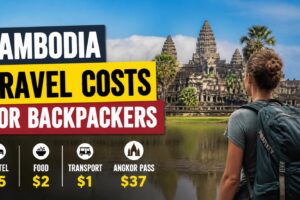
Angkor Wat Entrance Fees and Tickets
Foreign visitors generally need an official Angkor Pass to enter the temples of the Angkor Archaeological Park.
According to Angkor Enterprise, the published ticket prices are:
| Angkor Pass | Price | Validity |
|---|---|---|
| 1-Day Pass | US$37 | One visit day |
| 3-Day Pass | US$62 | Three visit days within seven days |
| 7-Day Pass | US$72 | Seven visit days within 30 days |
Children under 12 are generally exempt from Angkor admission fees, but identification may be required to verify their age.
Tickets can be purchased through official Angkor Enterprise channels, including the official website and ticket office.
Angkor Enterprise also states that travelers purchasing a one-day pass for the following day after 4:45 PM may enter the park that evening for sunset, subject to the applicable rules and individual temple access.
Separate tickets or arrangements may apply to destinations outside the standard Angkor Archaeological Park circuit. Always check the official ticket categories before your visit.
Official ticket website: Angkor Enterprise.
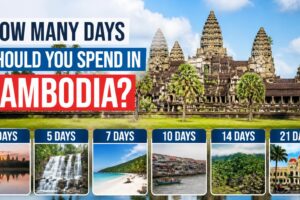
How Many Days Should You Spend in Siem Reap?
Most travelers should plan at least three days in Siem Reap, although four or five days allow a more relaxed experience.
One Day in Siem Reap
If you have only one day, focus on the Angkor highlights:
- Early morning: Angkor Wat sunrise and temple exploration
- Late morning: Angkor Thom and Bayon
- Afternoon: Ta Prohm
- Evening: Dinner near Old Market or Pub Street
Three-Day Siem Reap Itinerary
Day 1 – Angkor Highlights: Explore Angkor Wat, Bayon, Ta Prohm, and other nearby temples on the Small Circuit.
Day 2 – More Temples and Culture: Visit Preah Khan, Neak Pean, and Banteay Srei if timing permits, or focus on a smaller selection to avoid rushing. Enjoy a Cambodian cultural performance in the evening.
Day 3 – Siem Reap Beyond Angkor: Discover Old Market, the riverside, local crafts, cafés, and either a Tonle Sap community excursion or the Angkor National Museum.
Five-Day Siem Reap Itinerary
With five days, spread your temple visits across several mornings and use the remaining time for Phnom Kulen, Tonle Sap Lake, cooking classes, village experiences, and relaxing in town.
This itinerary is especially suitable for families, photographers, and travelers who enjoy slower exploration.
Where to Stay in Siem Reap
Siem Reap offers accommodation for almost every budget, from affordable hostels and guesthouses to boutique resorts and luxury hotels.
| Area | Best For |
|---|---|
| Old French Quarter | First-time visitors, stylish hotels, dining, and central convenience |
| Old Market and Pub Street | Backpackers, nightlife, restaurants, and walking convenience |
| Wat Bo Area | Boutique accommodation, cafés, couples, and relaxed stays |
| Charles de Gaulle Road | Resorts, comfortable hotels, and access toward Angkor |
| Quieter Outer Neighborhoods | Families, resort stays, and travelers seeking more space |
Our recommendation: Stay near the Old French Quarter, Wat Bo, or Old Market for a convenient first visit. If relaxation is a priority, consider a quieter property with a swimming pool and reliable transport arrangements.
How to Get to Siem Reap
By Air
Siem Reap–Angkor International Airport (SAI) is the main airport serving Siem Reap and the Angkor region. It began operations in 2023 and is located east of Siem Reap town.
Depending on traffic and transportation arrangements, the journey into town commonly takes around an hour, although travel times vary.
Visitors can arrange airport transportation through available shuttle services, taxis, private transfers, or hotel pickups. Confirm the latest departure points, fares, and operating schedules before traveling.
By Bus or Minivan
Siem Reap is connected by road with Phnom Penh, Battambang, and other Cambodian destinations.
Buses and minivans are common choices for travelers exploring several destinations within Cambodia. Travel times depend on road conditions, traffic, weather, and the operator.
For a more comfortable journey, select reputable companies, confirm the boarding location, and allow extra time during major holidays.
How to Get Around Siem Reap
Getting around Siem Reap is relatively straightforward, with several options for town sightseeing and excursions.
- Tuk-tuks: One of the most convenient ways to explore town and arrange Angkor temple circuits.
- Ride-hailing apps: Available services can help travelers arrange local transportation and compare fares.
- Private cars: Useful for families, hot weather, longer excursions, and travelers seeking additional comfort.
- Bicycles: A rewarding option for fit travelers who enjoy exploring at a slower pace.
- Walking: Convenient around Old Market, the riverside, and central neighborhoods.
For temple visits, consider arranging transportation for the full day, especially if you want to visit several sites spread across the archaeological park.
Always clarify the route, waiting arrangements, and total fare before starting a private tuk-tuk or car excursion.
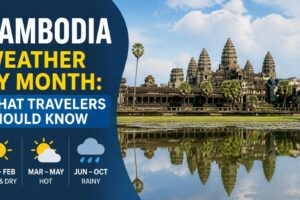
Best Time to Visit Siem Reap
November to February – Comfortable Sightseeing Weather
These months are generally the most comfortable for walking around Angkor and exploring Siem Reap, with comparatively cooler and drier conditions.
They are also popular with international visitors, so famous sunrise viewpoints and major temples may be busy.
March to May – Hot Season
The hottest part of the year can make extended outdoor sightseeing tiring. Plan temple visits early in the morning, rest during the strongest midday heat, and drink sufficient water.
June to October – Green Season
The rainy season transforms the countryside into lush green landscapes, while temple moats and surrounding vegetation can be particularly scenic.
Rainfall may interrupt outdoor plans, but showers do not necessarily last all day. Allow flexibility for travel to countryside and lake destinations.
Siem Reap Travel Budget
Siem Reap can be affordable for backpackers while also offering high-end accommodation and premium experiences.
| Travel Style | Indicative Daily Budget |
|---|---|
| Budget traveler | US$25–45 |
| Mid-range traveler | US$50–100 |
| Comfortable or luxury traveler | US$150 or more |
These are approximate per-person planning estimates, not fixed prices. Temple passes, private guides, major excursions, and international flights can substantially increase your total spending. Shared accommodation may reduce individual costs.
Travelers can save money by choosing locally owned accommodation, eating at Cambodian restaurants, combining nearby temple stops, and comparing transport arrangements before booking.
Responsible Travel Tips for Visiting Angkor and Siem Reap
Angkor is both a protected World Heritage Site and a living cultural landscape. Visitors have an important role in preserving it for future generations.
- Dress respectfully: Wear clothing covering your shoulders and knees when visiting Angkor’s sacred temples.
- Protect ancient structures: Do not touch delicate carvings, climb restricted ruins, or enter closed areas.
- Respect religious practices: Behave quietly around worshippers, monks, and religious ceremonies.
- Do not give money to children: Support reputable community programs and responsible local businesses instead.
- Reduce waste: Carry a reusable water bottle and take rubbish with you.
- Respect communities: Ask before photographing people, especially in villages and around Tonle Sap Lake.
- Use official tickets: Purchase Angkor passes through authorized Angkor Enterprise channels.
- Check changing conditions: Confirm current opening hours, access restrictions, weather conditions, and transportation schedules.
Visitors should follow the Angkor Visitor Code of Conduct published by the APSARA National Authority.
Frequently Asked Questions About Siem Reap
Is Siem Reap worth visiting?
Absolutely. Siem Reap combines world-famous archaeological sites with Khmer cultural experiences, traditional markets, local cuisine, and nearby nature. It is one of Cambodia’s most rewarding destinations.
What are the best things to do in Siem Reap?
The top experiences include exploring Angkor Wat, visiting Bayon and Ta Prohm, discovering Banteay Srei, exploring local markets, watching Phare Cambodian Circus, sampling Khmer food, and taking excursions to Tonle Sap Lake or Phnom Kulen.
How many days do you need in Siem Reap?
Three days are enough to see the main highlights. Four or five days are better for travelers who want to explore additional temples, countryside attractions, and cultural activities without rushing.
How much does an Angkor Wat ticket cost?
The official Angkor Pass prices are US$37 for one day, US$62 for three days, and US$72 for seven days. Check Angkor Enterprise for updated prices and validity rules.
Can I visit Angkor Wat without a tour guide?
Yes. Visitors can explore Angkor independently with a valid entrance pass. However, a licensed guide can provide valuable explanations about Khmer history, architecture, religious symbolism, and conservation.
Is Siem Reap safe for tourists?
Siem Reap is a well-established tourism destination, but travelers should still take normal precautions. Secure valuables, use reputable transportation, follow temple safety rules, and be careful around traffic and poorly lit roads.
Is Siem Reap expensive?
Siem Reap accommodates a wide range of budgets. Budget guesthouses, inexpensive local food, and shared transportation can keep everyday expenses manageable, although temple tickets and private excursions can add to costs.
Can you visit Tonle Sap Lake from Siem Reap?
Yes. Several lakeside communities can be visited on excursions from Siem Reap. Tour availability and boat routes depend on the season and water levels.
What is the best month to visit Siem Reap?
November through February generally offer comfortable weather for temple sightseeing. Travelers who prefer greener landscapes may also enjoy the rainy season, provided they allow flexibility for showers.
Sources and References
This guide uses official information from Cambodian tourism, heritage management, ticketing, UNESCO, and cultural organizations. Admission rules, opening hours, transport services, and prices may change, so verify important details before traveling.
- UNESCO World Heritage Centre – Angkor: World Heritage status, historical context, and significance of the Angkor archaeological landscape.
- Angkor Enterprise – Official Tickets: Angkor Pass prices, validity, and entrance information.
- APSARA National Authority – Tourism Information: Visitor conduct, conservation, and responsible temple visits.
- Cambodia Ministry of Tourism – Siem Reap Province: Destination information, attractions, and local travel context.
- Cambodia Ministry of Tourism – Phnom Kulen National Park: Natural and historical significance of Phnom Kulen.
- Phare, The Cambodian Circus: Cultural performances and Cambodian arts education.
Final Thoughts: Experience the Best of Siem Reap
Siem Reap is much more than the gateway to Angkor Wat. It is a destination where Cambodia’s extraordinary past meets a lively present, offering travelers a unique combination of ancient architecture, living traditions, beautiful countryside, and welcoming local experiences.
From watching sunrise over Angkor Wat and exploring the mysterious stone faces of Bayon to tasting traditional Khmer dishes and discovering communities around Tonle Sap Lake, there are countless reasons to spend several days in this remarkable province.
Whether you are interested in history, photography, local culture, food, or nature, Siem Reap is an essential destination on a journey through Cambodia.
Plan your Cambodia adventure with GoToKH.com and discover more travel guides, destinations, cultural experiences, and practical advice for exploring the Kingdom of Wonder.
