































Cambodia’s rainy season may sound like a difficult time to travel, but it can actually be one of the most rewarding seasons to explore the country. From lush green countryside and dramatic skies to fewer crowds at major attractions, the wet season offers a different side of Cambodia that many travelers miss.
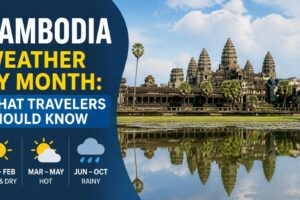
The rainy season generally runs from May through October, when the southwest monsoon brings moisture and rainfall across the country. Around 80–90% of Cambodia’s annual rainfall occurs during the wet season. Rainfall patterns vary by location, and showers can be particularly heavy in the later months of the season.
If you are planning to visit Cambodia during this period, you do not necessarily need to cancel your plans because of rain. Instead, the key is to understand the weather, allow some flexibility in your itinerary, and pack for tropical showers, humidity, heat, and mosquitoes.
Quick Summary: Cambodia Rainy Season
| Topic | What to Expect |
|---|---|
| Rainy season | Generally May to October |
| Weather | Hot, humid, with periods of heavy rain |
| Rain pattern | Often short or intermittent showers, although longer periods of rain can occur |
| Wettest period | Often September and October, depending on location and year |
| Advantages | Green landscapes, dramatic scenery, fewer crowds in some places |
| Main challenges | Wet roads, flooding in some areas, humidity and changing outdoor plans |
| Essential items | Light rain jacket, umbrella, waterproof bag, insect repellent and quick-drying clothes |
When Is the Rainy Season in Cambodia?
Cambodia has a tropical monsoon climate with two broad seasons: a rainy season and a dry season. The rainy season generally begins around May and continues through October, while the drier northeast monsoon period generally dominates from November through April.
The exact beginning and end of the rainy season can vary from year to year. Some parts of the country may experience showers outside the traditional wet-season period, while rainfall intensity also varies between lowlands, mountains and coastal areas.
During the wet season, southwest monsoon winds bring warm, moisture-filled air inland. Rainfall is an important part of Cambodia’s agricultural cycle and helps transform the countryside into a vibrant green landscape.
What Are the Rainiest Months?
September and October are generally among the wettest months, although the exact rainfall pattern differs across Cambodia.
Travelers visiting during these months should be more prepared for heavy showers, muddy roads and temporary disruption to outdoor activities, especially in rural and mountainous areas.
What Is Cambodia Weather Like During the Rainy Season?
Do not expect cool, rainy weather like you might experience in Europe or North America. Cambodia remains tropical during the wet season, so rain is usually accompanied by warm temperatures and high humidity.
Temperatures commonly remain in the upper 20s to low 30s Celsius, although conditions vary by location and time of day.
A typical rainy-season day might look like this:
- Warm and humid conditions in the morning
- Bright or partly cloudy periods during the day
- A heavy afternoon or evening shower
- Rain stopping after a relatively short period
- Cooler and fresher conditions immediately after rainfall
However, this pattern is not guaranteed. Some days can remain mostly dry, while other periods may experience prolonged rain.
Does It Rain All Day in Cambodia During the Wet Season?
No. Rain does not usually mean continuous rain all day.
One of the biggest misconceptions about traveling to Cambodia during the rainy season is that travelers will spend their entire holiday indoors. In reality, rainfall can be intermittent, and there may be several hours of useful sightseeing weather between showers.
For this reason, flexible planning is more useful than avoiding outdoor activities completely. You might visit a temple early in the morning, enjoy lunch during a shower, and continue exploring when the weather clears.
Travel tip: Plan your most weather-sensitive activities early in the day when possible, and keep flexible indoor activities available as a backup.
Why Visit Cambodia During the Rainy Season?
There are several good reasons to consider a wet-season trip.
1. Cambodia Becomes Exceptionally Green
Rain transforms Cambodia’s countryside. Rice fields, forests and grasslands become greener, while rivers, lakes and waterfalls can become more impressive.
Photographers may also enjoy the dramatic combination of dark clouds, tropical greenery and golden light after a storm.
2. Some Tourist Sites Feel Less Crowded
Rain can discourage some visitors, particularly during heavier periods. Depending on the destination and day, this can mean a more relaxed experience at popular attractions.
However, major attractions can still be busy during holidays and peak travel periods, so do not expect every destination to be empty.
3. Waterfalls and Natural Landscapes Can Be More Impressive
Rain replenishes streams and waterfalls, making some natural attractions more attractive during the wet season.
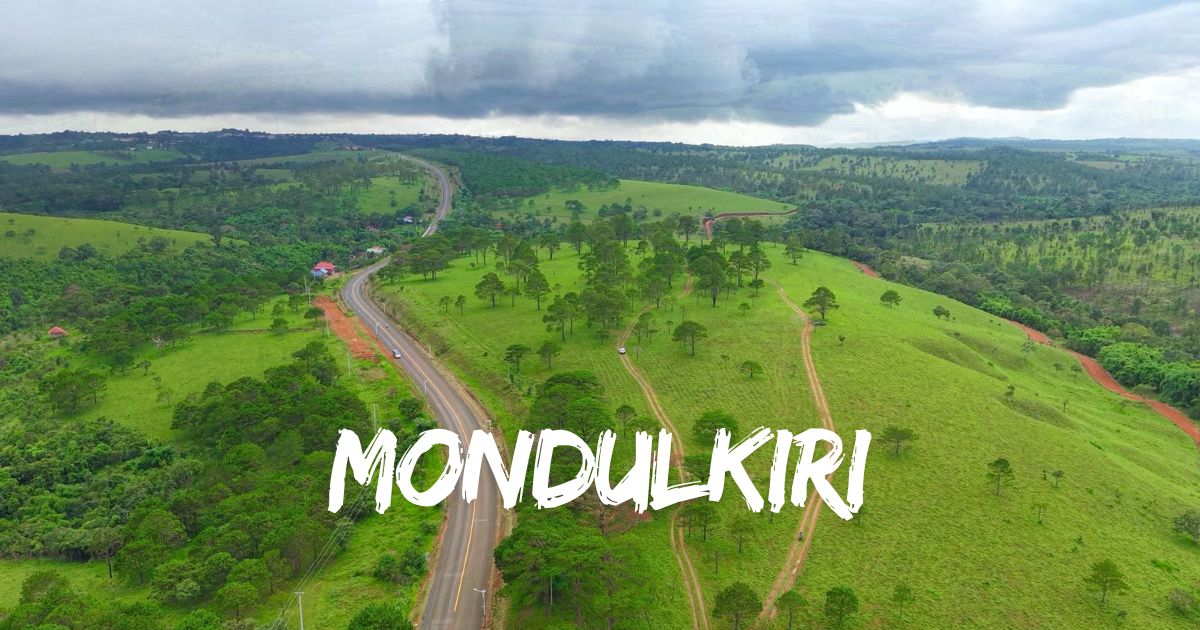
Destinations such as Mondulkiri, the Cardamom Mountains, Kampot and parts of northern Cambodia can look particularly lush after seasonal rainfall. Conditions on hiking trails can also become muddy, so visitors should check local conditions before setting out.
4. The Landscape Looks More Authentic
If you want to see Cambodia beyond its temples and cities, the rainy season can be a fascinating time to travel. Farmers return to fields, rice paddies fill with water, and rural landscapes become intensely green.
What Are the Disadvantages of Traveling During the Rainy Season?
Rainy-season travel also comes with some practical challenges.
Road Conditions
Heavy rainfall can affect rural roads, especially unpaved roads. Mud, standing water and temporary flooding can make some journeys slower.
If your itinerary includes remote villages, mountain areas or countryside roads, allow extra travel time and check conditions before departure.
Flooding
Localized flooding can occur after heavy rainfall, particularly in low-lying areas. Urban drainage can also become temporarily overwhelmed during intense storms.
Flooding does not mean the entire country is inaccessible, but travelers should monitor local conditions and remain flexible.
Outdoor Activities May Change
Boat trips, hiking, cycling, island excursions and other outdoor activities can sometimes be delayed or cancelled because of weather or water conditions.
When booking tours during the wet season, choose providers with clear cancellation or rescheduling policies.
Best Places to Visit in Cambodia During the Rainy Season
Siem Reap and Angkor
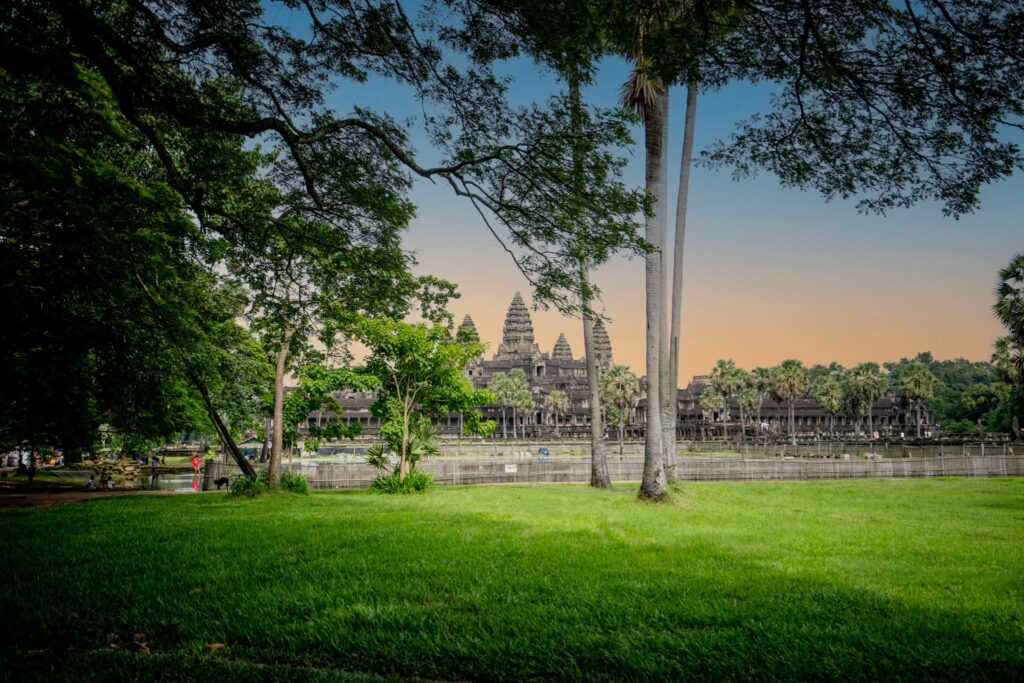
Siem Reap remains one of Cambodia’s most popular destinations throughout the year. Rain can make the vegetation around the Angkor temples particularly lush and atmospheric.
For temple sightseeing, start early and carry lightweight rain protection. Stone surfaces can become slippery when wet, so take extra care around steps and elevated areas.
Phnom Penh
Phnom Penh is relatively easy to visit during the rainy season because many attractions are indoors or located within the city.
Consider visiting museums, markets, restaurants, cafés and cultural attractions during heavier showers, then explore outdoor areas when the weather improves.
Kampot
Kampot’s countryside, riverside scenery and surrounding mountains can look particularly green during the wet season.
However, if you plan to visit rural areas or Bokor Mountain, check the weather before departure because visibility and road conditions can change quickly.
Kep
Kep can still be enjoyable during the rainy season, particularly for seafood, countryside scenery and a quieter coastal atmosphere. Beach and boat activities, however, are more weather-dependent.
Mondulkiri
Mondulkiri becomes especially green during the wet season. Forest landscapes and waterfalls can be spectacular, but trails may become muddy and slippery.
Cardamom Mountains
The Cardamom region receives substantial rainfall and is one of Cambodia’s most important natural landscapes. The wet season can provide excellent scenery, but remote trekking requires more preparation and should be done with experienced local operators.
What Should You Pack for Cambodia’s Rainy Season?
The best rainy-season packing strategy is to keep your luggage lightweight while protecting the items that must stay dry.
Essential Rain Gear
- Lightweight waterproof rain jacket or poncho
- Compact travel umbrella
- Waterproof backpack cover
- Small dry bag or waterproof pouch
- Waterproof phone pouch
A poncho can be particularly useful if you travel by tuk-tuk or scooter because it can cover more of your body and belongings than a small umbrella.
Clothing
- Lightweight, breathable shirts
- Quick-drying trousers or shorts
- Light cotton clothing
- Extra underwear
- Lightweight sleepwear
- A modest outfit for temples
Avoid packing too many heavy cotton clothes because they can take a long time to dry in Cambodia’s humid conditions.
Shoes
- Comfortable walking shoes
- Sandals or waterproof footwear
- Lightweight shoes that dry relatively quickly
Good grip is more important than fashion when walking around wet temple grounds, trails or uneven streets.
Electronics
- Waterproof phone pouch
- Zip-lock bags
- Power bank
- Universal travel adapter
- Small dry bag for electronics
Keep important electronics and documents away from open bags during sudden rain.
Mosquito Protection During the Rainy Season
Mosquito protection should be an important part of your Cambodia packing list. The CDC identifies dengue as a year-round risk in Cambodia and recommends measures to reduce mosquito bites.
Consider packing:
- Effective insect repellent
- Long, lightweight trousers
- Long-sleeved breathable shirts
- Lightweight socks
- After-bite treatment if you normally use one
CDC guidance recommends using an appropriate insect repellent and wearing clothing that covers exposed skin. Air-conditioned or screened accommodation can also reduce exposure to mosquitoes.
Rainy Season Health Tips
Stay Hydrated
Rain does not mean Cambodia becomes cool. High humidity can make the weather feel uncomfortable, and you can still lose significant amounts of fluid through sweating.
Drink safe water regularly, especially when sightseeing or walking outdoors for several hours.
Protect Yourself From Mosquito Bites
Use insect repellent according to its instructions and consider wearing long, lightweight clothing when mosquitoes are active.
Be Careful With Slippery Surfaces
Wet temple stones, stairs, sidewalks and natural trails can become slippery. Wear shoes with good traction and slow down when surfaces are wet.
Pay Attention to Changing Weather
For outdoor activities, check local weather conditions and be prepared to change your plans if storms or heavy rainfall make an activity unsafe. CDC travel guidance specifically recommends adjusting outdoor activities when weather conditions become unsafe.
How to Plan Your Cambodia Itinerary During the Rainy Season
The best strategy is to build flexibility into your schedule.
- Schedule major outdoor attractions early. Morning sightseeing can give you more flexibility later in the day.
- Avoid overly tight connections. Heavy rain can slow road travel.
- Keep one flexible day. Use it to replace an activity affected by bad weather.
- Mix indoor and outdoor attractions. Museums, cafés, markets and restaurants can become useful rainy-day alternatives.
- Check local conditions before remote trips. Rural and mountain roads can be more affected by heavy rain.
Rainy Season Travel by Transportation
Rain can affect different forms of transportation in different ways.
Tuk-Tuks
Tuk-tuks remain practical in Cambodian cities, but sudden rain can make journeys uncomfortable. A waterproof bag or backpack cover is useful.
Buses and Minivans
Long-distance buses and minivans generally continue operating during the wet season, but heavy rain can increase travel times. Avoid planning very tight connections.
Trains
Rail services can be an alternative for some routes, but schedules and conditions should be checked close to your travel date.
Motorbikes
Motorbike travel requires additional caution during heavy rain. Wet roads, reduced visibility, mud and standing water can increase the risk of accidents.
If you are not experienced riding a motorbike in tropical rain, consider another form of transportation.
What to Do When It Rains in Cambodia
A rainy afternoon does not have to ruin your travel day. Cambodia offers plenty of activities that work well between showers.
- Visit museums and cultural attractions
- Explore local markets
- Enjoy Cambodian coffee
- Take a Cambodian cooking class
- Try local restaurants
- Relax at a spa
- Explore cafés and bookstores
- Visit covered shopping areas
- Enjoy a slower afternoon at your hotel
- Use the time to plan the next part of your trip
Rainy Season Photography Tips
The wet season can be an excellent time for photography because the landscape becomes greener and the sky can create dramatic backgrounds.
- Carry a waterproof phone or camera cover.
- Use a microfiber cloth to remove water droplets from your lens.
- Look for reflections on wet streets and temple stones.
- Photograph rice fields and countryside after rainfall.
- Take advantage of soft light during cloudy periods.
- Protect cameras and lenses when moving between air-conditioned rooms and humid outdoor conditions.
Is Cambodia Worth Visiting During the Rainy Season?
Yes, for many travelers. The rainy season is not automatically a bad time to visit Cambodia.
If your priority is completely predictable weather and maximum time on beaches, you may prefer the drier months. But if you value greener scenery, atmospheric temples, flexible travel and potentially fewer crowds, the rainy season can be an excellent choice.
The most important factor is your travel style. Travelers who are comfortable with changing plans will generally find the wet season easier than those who want every outdoor activity to run exactly according to schedule.
Practical Rainy Season Packing Checklist
- ☐ Lightweight rain jacket or poncho
- ☐ Compact umbrella
- ☐ Waterproof backpack cover
- ☐ Waterproof phone pouch
- ☐ Small dry bag
- ☐ Quick-drying clothes
- ☐ Comfortable walking shoes
- ☐ Sandals or waterproof footwear
- ☐ Insect repellent
- ☐ Sunscreen
- ☐ Reusable water bottle
- ☐ Power bank
- ☐ Basic first-aid supplies
- ☐ Copies of important travel documents
Frequently Asked Questions About Cambodia’s Rainy Season
What months are rainy season in Cambodia?
Cambodia’s rainy season generally runs from May through October. The southwest monsoon brings most of the country’s annual rainfall during this period.
Is Cambodia rainy every day during the wet season?
No. Rainfall is variable. Many days can have a mixture of sunshine, clouds and short periods of heavy rain. Longer or heavier rainfall can occur, especially during the wetter part of the season.
Is September a good month to visit Cambodia?
September can be a good month if you are comfortable with wet weather. Landscapes are usually very green, but travelers should be prepared for heavier rainfall and possible changes to outdoor plans.
Can I visit Angkor Wat during the rainy season?
Yes. Angkor Wat and the surrounding temples can be visited during the wet season. Rain can create beautiful scenery, but temple stones and stairs may become slippery, so appropriate footwear and rain protection are recommended.
Should I bring an umbrella to Cambodia?
Yes. A compact umbrella is useful, although a lightweight poncho can be more practical when traveling by tuk-tuk or walking with a backpack.
What shoes are best for Cambodia’s rainy season?
Choose comfortable footwear with good grip and some resistance to water. Quick-drying shoes or sandals can be particularly useful.
Are roads safe during Cambodia’s rainy season?
Many major roads remain usable, but heavy rain can reduce visibility and create standing water. Rural and unpaved roads may become muddy or difficult to travel. Allow extra time and check local conditions before remote journeys.
Are mosquitoes a problem during Cambodia’s rainy season?
Mosquitoes can be a concern throughout the year. The CDC identifies dengue as a year-round risk in Cambodia, so travelers should use insect repellent and other mosquito-bite prevention measures.
Is the rainy season cheaper for travelers?
Prices vary by destination, hotel and travel dates. Some hotels and tourism businesses may offer better-value rates during lower-demand periods, but travelers should compare current prices rather than assuming every destination is cheaper.
What is the biggest mistake travelers make during the rainy season?
One common mistake is creating an itinerary with no flexibility. Give yourself extra travel time and keep alternative activities available in case heavy rain changes your plans.
Sources & References
- World Bank — Cambodia climate and seasonal rainfall information
- Tourism Cambodia — Climate and weather information
- Centers for Disease Control and Prevention (CDC) — Cambodia Traveler’s Health information
- CDC — Dengue prevention and mosquito-bite protection guidance
Conclusion
Traveling to Cambodia during the rainy season can be a memorable experience rather than something to avoid. From May to October, the country becomes greener, waterfalls and countryside landscapes can become more impressive, and travelers may enjoy a more relaxed atmosphere at some attractions.
The key is preparation. Pack lightweight rain protection, quick-drying clothes, comfortable footwear, waterproof protection for electronics and effective insect repellent. Keep your itinerary flexible, allow extra time for road travel and check local weather conditions before outdoor or remote activities.
With the right expectations and a little preparation, Cambodia’s rainy season can show you a lush, atmospheric and surprisingly beautiful side of the country.
Planning your Cambodia trip? Explore more GoToKH travel guides for practical information about destinations, transportation, food, culture, visas and travel planning across Cambodia.
