































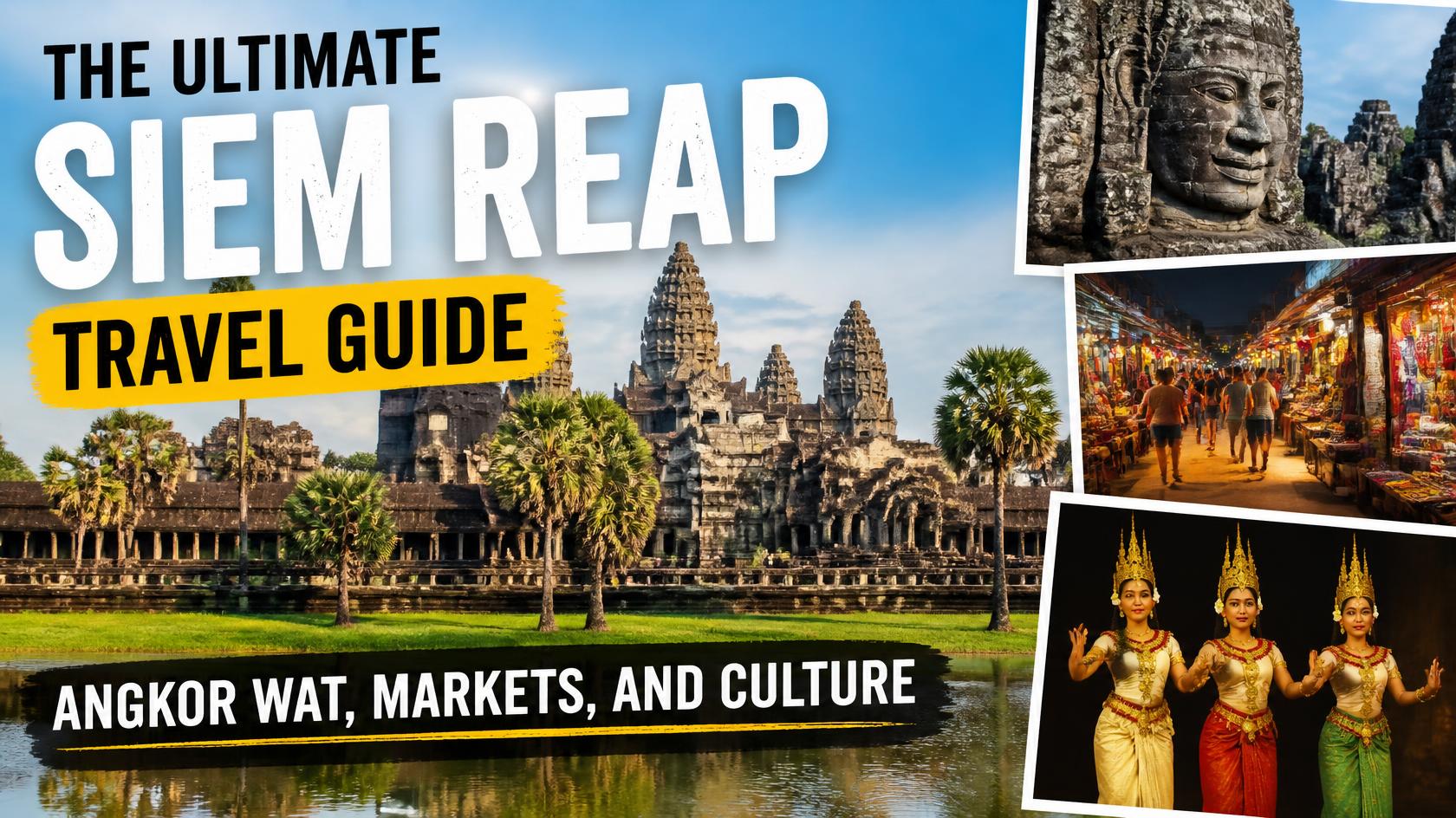
The Ultimate Siem Reap Travel Guide: Angkor Wat, Markets, and Culture

Siem Reap is one of Cambodia’s most fascinating destinations, combining the extraordinary temples of Angkor with lively markets, Khmer cuisine, traditional culture, and a relaxed riverside atmosphere. For many international travelers, Siem Reap is the gateway to Angkor Wat, but the city offers much more than ancient temples.
From watching the sunrise over Angkor Wat and exploring the stone faces of Bayon to shopping at traditional markets, tasting Cambodian food, visiting cultural attractions, and discovering life around Tonle Sap Lake, Siem Reap can easily fill several days of travel.
This Siem Reap travel guide explains what to see, how to experience Angkor, where to explore local markets and culture, how long to stay, and practical information to help you plan a rewarding trip.
Quick Summary: Siem Reap at a Glance
- Location: Northwestern Cambodia
- Known for: Angkor Wat and the Angkor Archaeological Park
- Main experiences: Ancient temples, Khmer culture, markets, food, museums, countryside and Tonle Sap
- Recommended stay: 3–4 days for a first visit
- Best for: History, architecture, culture, photography, food and family travel
- Currency: Cambodian riel and US dollars are commonly used in tourist areas
1. Why Visit Siem Reap?
Siem Reap is the main tourism hub for exploring Angkor. The city developed rapidly because of its proximity to the archaeological remains of the Khmer Empire, while also becoming a destination in its own right with restaurants, markets, hotels, cultural attractions and activities.
According to UNESCO, the Angkor archaeological area covers approximately 400 square kilometres and contains the remains of several capitals of the Khmer Empire dating from the 9th to the 15th centuries. The site includes temples, reservoirs, canals, roads and other remains that demonstrate the scale and sophistication of the Angkorian civilization.
This combination makes Siem Reap particularly interesting for travelers who want to experience both Cambodia’s ancient heritage and its modern everyday culture.
Travel idea: Do not plan your Siem Reap trip around Angkor Wat alone. Leave time for the markets, museums, food, local neighborhoods and Tonle Sap area.
2. Angkor Wat: The Highlight of Any Siem Reap Trip
Angkor Wat is the most famous temple in Cambodia and the centerpiece of the Angkor Archaeological Park. It was built during the reign of King Suryavarman II in the early 12th century and is closely associated with the religious and architectural achievements of the Khmer Empire.
The temple is famous for its enormous scale, distinctive towers, extensive galleries and detailed bas-reliefs. The central towers symbolize Mount Meru in Hindu cosmology, while the surrounding moat represents the cosmic ocean.
For many visitors, sunrise at Angkor Wat is one of the memorable experiences of a Cambodia trip. However, the temple is only one part of the wider archaeological landscape.
Other Angkor Temples to Explore
A good Angkor itinerary should include several different temples because each offers a different perspective on Khmer architecture and history.
- Angkor Thom: A vast ancient city containing important monuments including Bayon.
- Bayon: Famous for its monumental stone faces and intricate carvings.
- Ta Prohm: Known for its atmospheric ruins and trees growing around the ancient structures.
- Preah Khan: A large temple complex with long galleries, courtyards and detailed architectural features.
- Banteay Kdei: A quieter temple complex near Srah Srang.
- Pre Rup: A temple mountain with distinctive brick and laterite architecture.
- Banteay Srei: A smaller but highly detailed temple famous for its fine sandstone carvings.
UNESCO identifies Angkor as an important archaeological site in Southeast Asia and highlights monuments such as Angkor Wat, Bayon, Preah Khan and Ta Prohm as important examples of Khmer architecture and cultural history.
3. How to Plan Your Angkor Visit
Visitors should choose their Angkor pass according to the amount of time they have available. The official Angkor Enterprise currently lists 1-day, 3-day and 7-day passes for the Angkor Archaeological Park.
- 1-day pass: Suitable for travelers with limited time who want to see the major temples.
- 3-day pass: A good option for travelers who want a more relaxed temple experience and time for both major and less-visited sites.
- 7-day pass: Designed for travelers who want to explore Angkor extensively over a longer period.
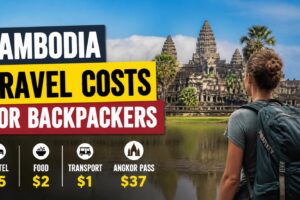
As of 2026, the official Angkor Enterprise website lists the international visitor prices at US$37 for one day, US$62 for three days, and US$72 for seven days. The 3-day pass is valid within a 7-day period, while the 7-day pass is valid within a 30-day period.
The official ticket information states that the Angkor Archaeological Park currently allows entry from 5:00 AM and closes at 6:30 PM, although individual monuments can have their own visiting hours.
Tickets should be purchased through Angkor Enterprise, the official institution responsible for Angkor ticket sales. Travelers should be careful with unofficial ticket sellers because tickets purchased elsewhere may not be valid.
What Should You Wear at Angkor?
Angkor is not simply an archaeological attraction; it is also a sacred cultural landscape. Visitors should wear respectful clothing, particularly when entering temples or areas associated with religious practice.
Clothing that covers the shoulders and knees is a practical choice. Comfortable shoes are also important because exploring the temples involves considerable walking, uneven surfaces and stairs.
The APSARA National Authority’s visitor guidance asks travelers to respect worshippers and monks, dress appropriately, avoid touching or climbing monuments, keep the site clean and avoid giving money to children.
4. Siem Reap Markets: Shopping and Local Life
Markets are an important part of the Siem Reap experience. They offer visitors a chance to see everyday commercial life while shopping for Cambodian handicrafts, souvenirs, textiles, food and other products.
Old Market (Phsar Chas)
The Old Market, commonly known as Phsar Chas, is located in the central tourist area. It is one of the traditional shopping areas of Siem Reap and offers a mixture of souvenirs, handicrafts, clothing, food and everyday goods.
Tourism Cambodia notes that the Old Market is particularly known for its broad selection of souvenirs, including baskets, silver products and musical instruments. Visitors can also find shops, restaurants and small businesses in the surrounding streets.
Night Markets
Siem Reap is also known for its night-market atmosphere. The markets around the central tourist district are popular places to browse Cambodian handicrafts, artwork, clothing, souvenirs and gifts after visiting the temples.
Instead of buying the first item you see, take time to compare products and prices. For handmade products, ask about the material, where the product was made and whether it was produced locally.
What to Buy in Siem Reap
- Traditional Cambodian handicrafts
- Silk and textile products
- Basketry
- Wooden carvings
- Traditional artwork
- Local food products
- Cambodian spices and pepper
- Small cultural souvenirs
When shopping, respectful and friendly bargaining is common in many tourist markets, particularly when prices are not fixed. Keep the conversation friendly and remember that a small difference in price can have a different meaning to a local seller than it does to a traveler.
5. Discover Khmer Culture Beyond the Temples
Siem Reap provides many opportunities to learn about Cambodian culture beyond the ancient monuments.
A visit to the Angkor National Museum can help travelers understand the history, religion and artistic traditions behind the temples they see at Angkor. The museum presents collections related to different periods of Khmer civilization and provides useful historical context for first-time visitors.
Travelers can also experience Cambodian culture through traditional dance performances, local food, craft workshops and village experiences.
Khmer Food in Siem Reap
Food should be an important part of your itinerary. Siem Reap has restaurants ranging from local Cambodian eateries to international dining establishments.
For a first taste of Cambodian cuisine, consider trying:
- Fish Amok: A classic Cambodian dish prepared with fish, coconut and Khmer spices.
- Beef Lok Lak: Stir-fried beef commonly served with vegetables and a pepper-lime dipping sauce.
- Nom Banh Chok: Cambodian rice noodles traditionally served with a fragrant fish-based green curry sauce.
- Samlor Korko: A traditional Cambodian vegetable and meat soup with a distinctive combination of ingredients.
- Fresh tropical fruit: Cambodia offers a wide variety of seasonal fruits worth trying at local markets.
For a more local experience, explore food stalls and small Cambodian restaurants away from the busiest tourist streets. Basic hygiene precautions are still sensible, especially when choosing food from street vendors.
6. Tonle Sap and Life Around Siem Reap
Siem Reap is also a gateway to the Tonle Sap Lake, one of the defining natural features of Cambodia.
The lake has a remarkable seasonal cycle. During the rainy season, water flows from the Mekong system into Tonle Sap, causing the lake to expand substantially. This seasonal change has shaped fishing, agriculture and settlement patterns around the lake for centuries.
Visitors can explore communities around the lake and learn about the relationship between Cambodian people and this important freshwater ecosystem. Depending on the destination and season, boat trips can provide views of floating or water-adapted communities and surrounding wetlands.
Travelers should choose responsible operators and respect local communities when visiting villages. A cultural visit should be an opportunity to learn rather than simply a photography experience.
7. How Many Days Do You Need in Siem Reap?
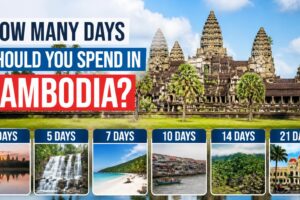
For a first-time international visitor, three to four days is a practical starting point.
3-Day Siem Reap Itinerary
- Day 1: Angkor Wat, Angkor Thom and Bayon, followed by Ta Prohm.
- Day 2: Banteay Srei or other Angkor temples, followed by the Angkor National Museum and an evening at the markets.
- Day 3: Explore Siem Reap’s markets, food and cultural attractions, with an optional Tonle Sap experience.
4-Day Siem Reap Itinerary
With four days, slow down the temple schedule. Add Preah Khan, Neak Pean, Pre Rup or another less-visited temple, and reserve more time for local food, shopping and cultural experiences.
The advantage of staying longer is that you do not have to rush between temples. Angkor is extensive, and taking breaks during the hottest part of the day can make the experience much more enjoyable.
8. Getting Around Siem Reap
Siem Reap is relatively easy to explore because many hotels, restaurants, markets and attractions are concentrated around the central area.
Tuk-tuks are one of the most recognizable ways to travel around the city and are particularly useful for temple trips. For Angkor, travelers can arrange transportation for a full day or according to their planned route.
Some visitors also rent bicycles or scooters. If you choose to ride yourself, consider traffic conditions, weather, road conditions and your own experience before doing so.
For temple days, carry drinking water, sun protection and comfortable footwear. The combination of tropical heat and long walks can be tiring even for experienced travelers.
9. Practical Tips for First-Time Visitors
Siem Reap Travel Tips
- Start major temple visits early to avoid the strongest midday heat.
- Buy Angkor tickets only through official channels.
- Dress respectfully when visiting temples and religious sites.
- Carry water and sun protection.
- Keep your temple ticket and identification documents secure.
- Ask permission before photographing people, especially monks and local residents.
- Do not climb on temple structures unless an area is specifically designated for visitors.
- Support local craftspeople by purchasing authentic locally made products when possible.
- Keep plastic waste and other rubbish with you until you find an appropriate bin.
- Give yourself enough time to enjoy the city rather than visiting temples continuously.
10. Frequently Asked Questions About Siem Reap
Is Siem Reap worth visiting besides Angkor Wat?
Yes. Angkor is the main attraction, but Siem Reap also offers markets, Cambodian food, museums, cultural performances, local neighborhoods, handicrafts and access to Tonle Sap.
How many days should I spend in Siem Reap?
Three to four days is a useful amount of time for a first visit. Travelers who want to explore Angkor in greater depth or add countryside and Tonle Sap experiences may prefer four or more days.
How much is an Angkor Wat ticket?
As of 2026, Angkor Enterprise lists international visitor passes at US$37 for one day, US$62 for three days and US$72 for seven days. Always check the official ticket website before traveling because prices and regulations can change.
What is the best time to visit Angkor Wat?
Early morning is popular because temperatures are generally more comfortable and sunrise can provide a memorable atmosphere. However, the best timing also depends on the temple, season and your personal preference.
What should I wear to Angkor Wat?
Wear comfortable clothing that covers the shoulders and knees, particularly when visiting sacred areas. Comfortable walking shoes are strongly recommended.
Can I visit Angkor Wat without a guide?
Yes. Independent travel is possible, but a knowledgeable guide can add historical and cultural context that may otherwise be missed. Travelers who explore independently can also use official maps and visitor information to plan their route.
What should I buy in Siem Reap?
Popular choices include Cambodian handicrafts, silk and textiles, baskets, artwork, wood carvings, spices and locally produced food products. When possible, ask sellers about the origin and production of handmade items.
Sources & References
- UNESCO World Heritage Centre — Angkor: heritage significance, history and archaeological information.
- APSARA National Authority — Angkor visitor information and visitor code of conduct.
- Angkor Enterprise — Official Angkor passes, prices, ticket information and visitor guidance.
- Ministry of Tourism / Tourism Cambodia — Siem Reap destination information, attractions, shopping, food and travel guidance.
- Ministry of Culture and Fine Arts — Cambodia’s cultural and heritage context.
Information and ticket prices can change. Travelers should verify current entrance fees, opening arrangements and visitor regulations through the relevant official authorities before their trip.
Conclusion: Experience More Than Angkor Wat
Siem Reap is much more than a starting point for visiting Angkor Wat. It is a destination where Cambodia’s ancient history, living Khmer culture, food, markets and modern hospitality come together.
Spend time exploring the temples, but also walk through the markets, taste Cambodian food, learn about Khmer history, meet local communities respectfully and experience the quieter side of the city. Whether you have three days or a full week, Siem Reap offers many ways to understand Cambodia beyond the famous photographs of Angkor Wat.
Planning your Cambodia trip? Explore more GoToKH travel guides to discover Cambodia’s temples, islands, cities, food, culture and unforgettable destinations.