
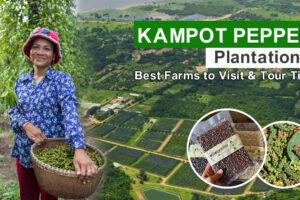


































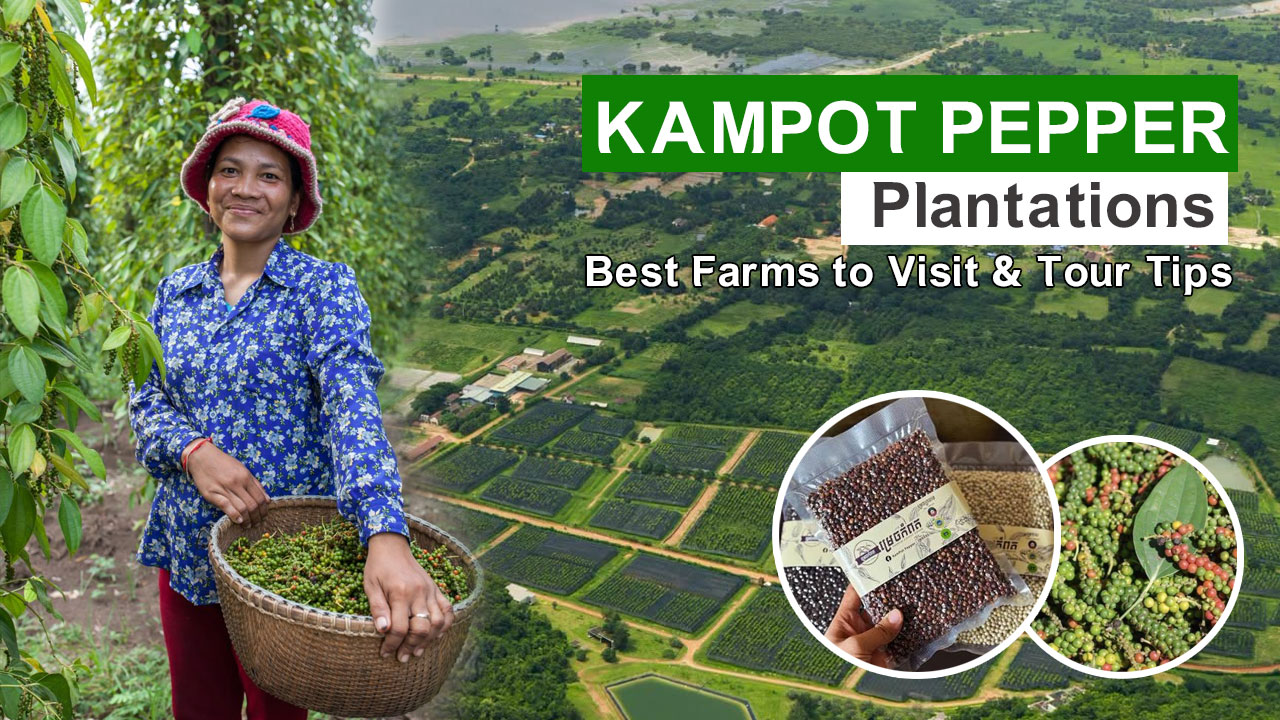

Kampot pepper is one of Cambodia’s most famous agricultural products, celebrated for its distinctive aroma and traditional cultivation methods. Visiting a Kampot pepper plantation offers travelers an opportunity to explore the countryside, learn about local farming, and taste one of Cambodia’s most recognized spices.
From family-run farms to larger visitor-friendly plantations, the Kampot and Kep region offers enjoyable experiences for food lovers, families, and curious travelers.
Why Is Kampot Pepper Special?
Kampot pepper has been cultivated in southern Cambodia for generations. Its distinctive qualities are associated with the region’s soil, climate, and traditional farming knowledge.
In 2016, Kampot pepper received Protected Geographical Indication (PGI) registration in the European Union. This recognition protects the product’s geographical identity and production standards.
Genuine Kampot pepper comes from designated growing areas in Kampot and neighboring Kep Province, following specific cultivation and processing requirements.
Best Kampot Pepper Plantations to Visit
1. La Plantation – Best for a Complete Farm Experience
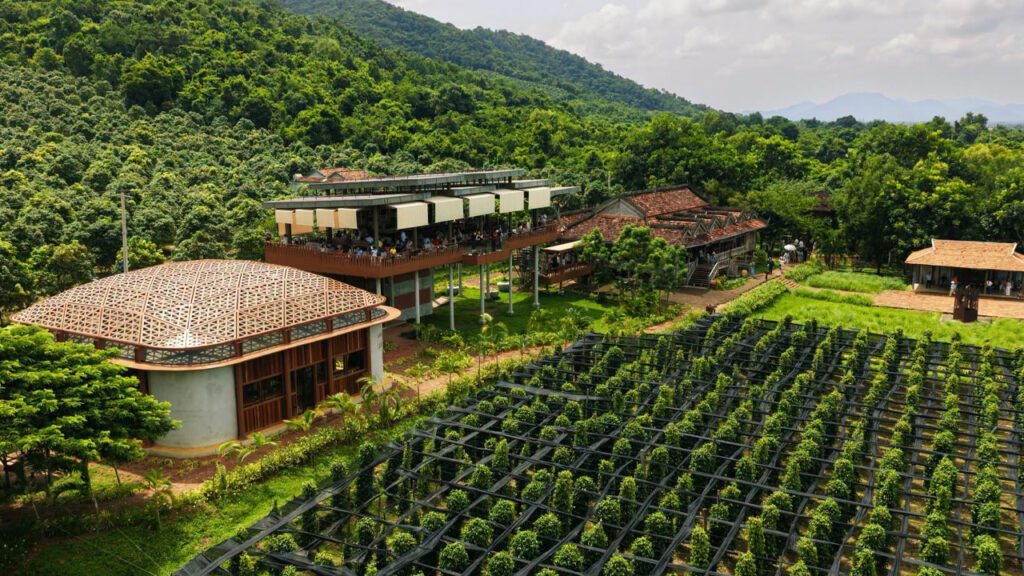
La Plantation is a well-established pepper and spice farm in the Kampot countryside. It offers educational tours where visitors can discover how pepper is planted, maintained, harvested, and processed.
The farm provides free guided tours and pepper tastings. Visitors can also enjoy Cambodian cooking classes, a restaurant, tropical gardens, and a shop selling locally produced spices.
- Location: Kampot countryside, near the Secret Lake area.
- Best for: Guided tours, spice tasting, cooking classes, and countryside scenery.
- Opening hours: Daily, 9:00 AM–6:00 PM; last guided visit at 4:00 PM.
- Admission: Standard guided tour and tasting are free; additional experiences may cost extra.
Travel tip: Book a visiting slot in advance between October and March. Cooking classes require at least 24 hours’ advance booking.
Official website: La Plantation Kampot.
2. BoTree Farm – Best for a Relaxed Countryside Visit
BoTree Farm is a family-run organic pepper plantation that offers a peaceful countryside atmosphere and educational farm experiences.
Visitors can join a free guided tour, taste different pepper varieties, and learn about the farming and processing methods behind Kampot pepper.
The farm also has a restaurant, pepper shop, lakeside seating, and relaxing outdoor spaces.
- Location: Rural Kampot, accessible from Kampot town or Kep.
- Best for: Small-group visits, farm education, pepper tastings, and relaxation.
- Admission: Free guided farm tour and pepper tasting.
Travel tip: Consider combining BoTree Farm with other countryside attractions on a half-day tuk-tuk trip.
Official website: BoTree Pepper Farm.
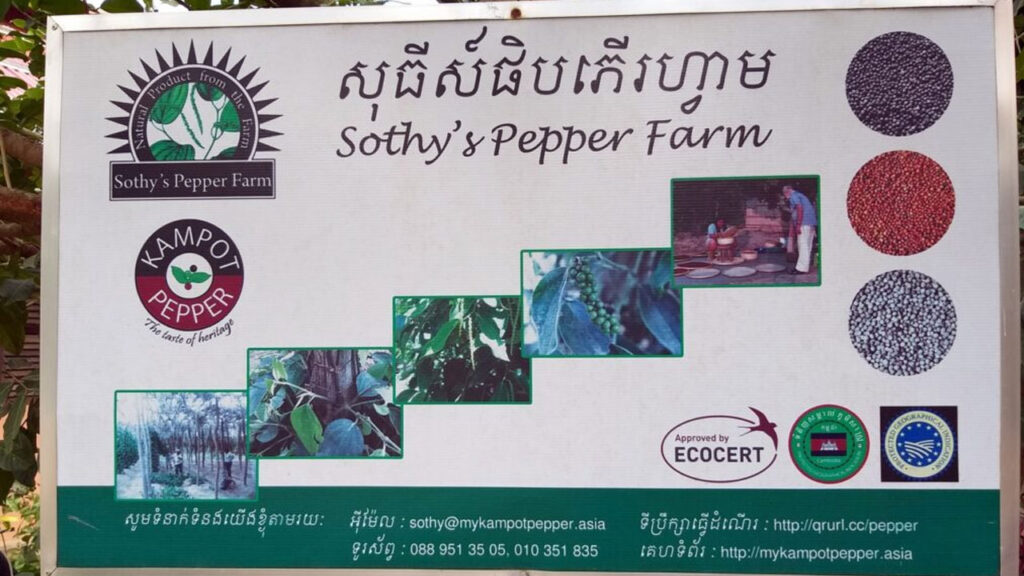
3. Sothy’s Pepper Farm – Best for a Family-Run Experience
Sothy’s Pepper Farm is a traditional family-operated plantation located in the hills of neighboring Kep Province.
Although located in Kep, the farm produces authentic Kampot pepper because the protected geographical area extends into designated parts of both provinces.
Visitors can explore pepper cultivation, learn about traditional harvesting, and enjoy a guided tasting. Cooking classes and farm products are also available.
- Location: Kep Province, near the Kampot pepper-growing region.
- Best for: Traditional farming, personal tours, and food experiences.
- Opening hours: Daily, 8:30 AM–5:00 PM, according to the farm’s website.
- Admission: Free guided tour and tasting, approximately 30 minutes.
Travel tip: Combine your visit with Kep’s countryside or Crab Market for a longer day trip.
Official website: Sothy’s Pepper Farm.
Types of Kampot Pepper
Kampot pepper comes in several forms, depending on when the berries are harvested and how they are processed.
| Pepper Type | Characteristics | Common Uses |
|---|---|---|
| Green Pepper | Fresh, unripe peppercorns with a vibrant flavor | Seafood and stir-fries |
| Black Pepper | Dried peppercorns with a strong, aromatic flavor | Meat, sauces, and everyday cooking |
| Red Pepper | Fully ripe, dried peppercorns with fruity notes | Grilled dishes and selected desserts |
| White Pepper | Ripe peppercorns with the outer skin removed | Soups, fish, and light-colored sauces |
What to Expect During a Pepper Farm Tour
A typical plantation tour introduces visitors to climbing pepper vines, traditional farming techniques, harvesting, drying, and sorting.
Guides explain how different pepper varieties are produced, and many tours finish with a tasting session. Some farms also offer cooking classes, restaurants, and shops selling packaged pepper.
A farm visit can take around one to two hours, depending on the activities selected.
Best Time to Visit Kampot Pepper Farms
Pepper farms generally welcome visitors throughout the year. The dry season, particularly November to February, often provides more comfortable weather for countryside sightseeing.
The main pepper harvest generally takes place during the hotter months, around March to May, although timing varies according to the weather and the farm.
During the rainy season, plantations are beautifully green, but unpaved access roads can become muddy.
How to Get to Kampot Pepper Plantations
Most visitor-friendly pepper plantations are located outside Kampot town, in the surrounding countryside and toward Kep.
Travelers can arrange a tuk-tuk, private car, or guided countryside tour. Allow approximately 30–45 minutes from Kampot town for many popular farms, depending on the location and road conditions.
Before leaving, confirm the farm’s exact location, opening hours, booking requirements, and return transportation.
Tips for Buying Authentic Kampot Pepper
- Purchase from reputable farms or certified retailers.
- Look for official Kampot Pepper geographical indication labeling and traceability information.
- Check packaging dates, seals, and storage instructions.
- Ask about the differences between black, red, white, and green pepper before buying.
- Support local producers and respect working agricultural areas during visits.
Frequently Asked Questions
1. Can tourists visit Kampot pepper plantations?
Yes. Several farms welcome tourists and offer educational visits, pepper tastings, and additional activities.
2. Are Kampot pepper farm tours free?
La Plantation, BoTree Farm, and Sothy’s Pepper Farm advertise free standard guided tours. Cooking classes, meals, and special experiences may have additional charges.
3. Where are Kampot pepper plantations located?
They are located in designated growing areas of Kampot and Kep provinces in southern Cambodia.
4. Can I buy genuine Kampot pepper directly from farms?
Yes. Many farms sell packaged, traceable Kampot pepper directly to visitors.
5. How long should I spend at a pepper plantation?
Allow approximately one to two hours for a guided visit and tasting, or longer if you plan to eat or join a cooking class.
6. Is Kampot pepper the same as ordinary black pepper?
Kampot pepper comes from the black pepper plant, but genuine Kampot pepper must meet geographical origin and production requirements associated with its protected name.
Sources and References
- European Union – Kampot Pepper PGI Registration (2016)
- Cambodia Ministry of Commerce – Geographical Indications
- Kampot Pepper Promotion Association – History and Production Region
- La Plantation – Official Farm Visitor Information
- BoTree Farm – Official Visitor Guide
- Sothy’s Pepper Farm – Official Website
Final Thoughts
Visiting Kampot pepper plantations is a rewarding way to explore Cambodia’s agricultural heritage while enjoying beautiful countryside scenery and authentic local flavors.
Whether you choose La Plantation, BoTree Farm, or Sothy’s Pepper Farm, each offers an opportunity to learn about traditional pepper cultivation and support Cambodia’s farming communities.
For more countryside attractions, local food experiences, and practical travel advice, explore GoToKH.com and plan your next adventure in Kampot.
