




























Visiting Cambodia for the first time is an exciting experience. From the magnificent temples of Angkor to the lively streets of Phnom Penh, peaceful countryside, traditional markets, and tropical islands, the country offers an unforgettable mix of culture, history, food, and natural beauty.
However, even experienced travelers can make simple mistakes when visiting a new destination. Some misunderstand Cambodia’s local currencies, arrive at the wrong ferry pier, underestimate the tropical heat, or accidentally break important temple etiquette. Others plan too many activities in a single day or overlook practical precautions involving transportation and personal belongings.
Fortunately, most of these problems are avoidable with a little local knowledge.
This guide focuses on the most common mistakes first-time visitors make in Cambodia and explains what to do instead. Rather than repeating a complete visa and packing checklist, it offers practical advice for everyday situations you are likely to experience after arriving.
Whether you are exploring Angkor Wat, ordering food in a local restaurant, arranging a tuk-tuk, shopping at a market, or planning an island escape, these 18 tips will help you travel more confidently, respectfully, and comfortably.
Last reviewed: October 16, 2026. Transportation services, safety conditions, border arrangements, and local regulations can change. Always check official information when planning activities.
Quick Guide: Common Cambodia Travel Mistakes
| Common Mistake | What to Do Instead |
|---|---|
| Trying to see Cambodia too quickly | Allow realistic time for travel and sightseeing |
| Underestimating airport transfers | Confirm the airport and pickup location |
| Confusing Angkor Wat with the entire park | Plan a temple route that suits your available days |
| Wearing inappropriate temple clothing | Cover shoulders and knees |
| Exploring outdoors during the hottest hours | Start early and take midday breaks |
| Confusing US dollars and Cambodian riel | Check prices, notes, and change carefully |
| Depending only on cards or mobile payments | Carry suitable cash as a backup |
| Not confirming tuk-tuk prices | Agree on the fare and destination in advance |
| Renting a scooter without preparation | Check licensing, insurance, and road conditions |
| Holding phones near moving traffic | Keep valuables away from the roadside |
| Avoiding all street food or eating carelessly | Choose freshly prepared, hygienic food |
| Ignoring mosquitoes and dehydration | Use repellent and drink safe water |
| Booking the wrong island ferry pier | Confirm the arrival point with your hotel |
| Feeding wildlife or encouraging child begging | Choose responsible interactions |
| Misunderstanding cultural etiquette | Learn a few important Cambodian customs |
| Treating memorial sites as photo attractions | Visit thoughtfully and respectfully |
| Leaving established routes in remote areas | Follow safety signs and official travel advice |
| Planning connections without extra time | Leave room for weather and transport delays |
1. Trying to Visit Too Many Places in Too Little Time
One of the biggest mistakes when visiting Cambodia is planning an itinerary based only on distances shown on a map.
Cambodia may look relatively compact, but traveling between cities can take longer than expected. Road conditions, traffic, transportation schedules, and stops can affect journey times.
Travelers sometimes attempt to visit Siem Reap, Phnom Penh, Kampot, and the islands within only a few days. While this might seem possible on paper, it often means spending too much of the holiday in vehicles.
What to Do Instead
Choose fewer destinations and experience them more deeply.
For a first trip, Siem Reap and Phnom Penh provide a rewarding introduction to Cambodia’s history and culture. Travelers with additional time can include a southern coastal destination.
Allow at least a few nights in each main destination so that travel days do not dominate your schedule.
Local tip: A relaxing afternoon in a Cambodian café, market, or riverside neighborhood can be just as memorable as another rushed attraction.
2. Underestimating Airport-to-City Travel
Some visitors book an arrival flight and assume their hotel is only a few minutes from the airport.
That assumption can cause problems, especially when arranging a late arrival, onward bus, or guided tour.
Cambodia’s airport infrastructure has changed significantly.
Techo International Airport (KTI) serves Phnom Penh, while Siem Reap–Angkor International Airport (SAI) serves the Angkor region.
Both require road transfers to the principal city accommodation areas.
What to Do Instead
Confirm the airport code on your ticket, identify your hotel’s location, and arrange a suitable transfer.
If arriving late at night, consider requesting transportation from your accommodation.
Do not book a tightly scheduled activity immediately after landing. Immigration procedures, luggage collection, traffic, and transportation arrangements all take time.
Local tip: Save your hotel’s name, address, and contact number before departure. Showing the actual address is often easier than explaining an unfamiliar accommodation name verbally.
3. Thinking Angkor Wat Is the Entire Angkor Archaeological Park
Angkor Wat is Cambodia’s most famous temple, but it is not the only monument worth visiting.
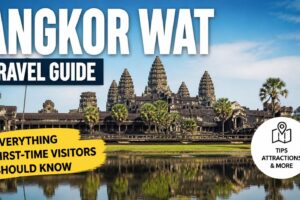
Angkor Archaeological Park contains numerous historic structures, including Bayon, Ta Prohm, Preah Khan, Banteay Kdei, and many smaller temples.
Some travelers spend only a brief period photographing Angkor Wat and leave without discovering the wider archaeological landscape.
What to Do Instead
Plan your visit according to your interests and available time.
For a one-day introduction, prioritize Angkor Wat, Bayon, and Ta Prohm.
With additional days, explore the Small Circuit and Grand Circuit at a comfortable pace.
Purchase your Angkor Pass through official Angkor Enterprise channels and confirm the opening hours of individual temples.
Local tip: A knowledgeable Cambodian guide can help explain the religious symbolism, architectural history, and cultural importance of the monuments.
4. Wearing the Wrong Clothes at Temples
Cambodia’s historic temples and Buddhist pagodas are not simply tourist attractions. Many remain sacred places with important religious significance.
Arriving in very short shorts, sleeveless tops, or other revealing clothing can result in difficulties entering restricted areas.
Angkor Enterprise’s official Visitor Code of Conduct prohibits exposed shoulders and shorts or skirts above the knees at sacred sites.
What to Do Instead
Wear comfortable, breathable clothing that covers your shoulders and knees.
Choose shoes suitable for walking on uneven stone surfaces, and remove footwear before entering Buddhist prayer areas when instructed.
Do not assume that wrapping a small scarf around inappropriate clothing will always satisfy entrance requirements.
Local tip: Lightweight long trousers and a sleeved shirt are practical for both temple visits and Cambodia’s tropical weather.
5. Scheduling Outdoor Activities During the Hottest Hours
Cambodia’s heat can be exhausting, especially for travelers arriving from cooler climates.
Exploring Angkor’s open courtyards, walking through city markets, or climbing a hill during the hottest hours can turn an enjoyable outing into an uncomfortable experience.
What to Do Instead
Start outdoor activities early in the morning whenever practical.
Use the middle of the day for lunch, a rest at your hotel, or suitable indoor attractions.
Resume outdoor exploration in the late afternoon when conditions are more comfortable.
Bring a hat, sunscreen, and safe drinking water.
Local tip: During the hotter months, planning fewer activities with more breaks often produces a better travel experience than following a tightly packed schedule.
6. Getting Confused by US Dollars and Cambodian Riel
Cambodia’s official currency is the Cambodian riel (KHR), but US dollars are also commonly accepted.
It is possible to pay in dollars and receive change in riel, particularly at shops and restaurants serving tourists.
For first-time visitors, this can initially seem confusing.
Another common problem involves damaged US-dollar banknotes. Some businesses may reject torn, heavily marked, or suspicious notes.
What to Do Instead
Carry a mixture of Cambodian riel and suitable US-dollar notes.
Check the currency in which a price is quoted before paying.
For quick mental calculations, travelers sometimes use approximately 4,000 riel per dollar as a rough reference. The actual exchange rate and merchant conversion may differ.
Inspect your change and avoid accepting damaged banknotes that might be difficult to spend later.
Local tip: Cambodian riel is particularly convenient for local meals, markets, short transportation trips, and small everyday purchases.
7. Assuming Every Business Accepts Cards or QR Payments
Cambodia has developed an extensive digital payment ecosystem.
Many restaurants, cafés, shops, and other businesses display KHQR payment codes.
The National Bank of Cambodia has also introduced Bakong Tourists, which provides digital payment options for eligible international visitors.
However, not every international bank account or card can automatically scan a Cambodian QR code.
Smaller shops, local boats, rural businesses, and market stalls may still prefer cash.
What to Do Instead
Use a combination of payment methods rather than relying on only one.
Keep a modest cash reserve in a secure location.
Before using an unfamiliar mobile payment service, confirm that your account and payment method are supported.
Local tip: Carry small-denomination riel notes when visiting traditional markets or provincial destinations.
8. Taking a Tuk-Tuk Without Confirming the Fare and Destination
Tuk-tuks are one of the most convenient ways to get around Cambodian cities.
However, travelers sometimes begin a journey without agreeing on the destination or total price.
This can lead to misunderstandings, particularly when the route involves several stops or a full day of sightseeing.
What to Do Instead
If using a traditional tuk-tuk, confirm the fare before departure.
For a sightseeing tour, clarify whether the quote includes waiting time, hotel pickup, additional attractions, and the return journey.
Ride-hailing services such as Grab and PassApp can provide another convenient option where available.
Always verify that the driver and vehicle match the booking details.
Local tip: Keep the destination pinned on a map. Some neighborhoods contain similarly named hotels, streets, and attractions.
9. Renting a Motorbike Without Checking the Risks
Renting a scooter may seem like an inexpensive way to explore Cambodia independently.
However, roads can be busy, unfamiliar traffic behavior can be difficult to anticipate, and insurance coverage may be limited.
Rural roads may also have potholes, loose surfaces, mud, or poor lighting.
What to Do Instead
Only ride if you are experienced, legally permitted to operate the vehicle, and adequately insured.
Wear a suitable helmet and appropriate footwear.
Check the vehicle’s brakes, tires, and lights before accepting it.
Do not leave your original passport as security for a rental.
For inexperienced riders, using a licensed driver or established transport provider is often the more sensible choice.
Local tip: A cheap rental is not good value if an accident leaves you responsible for medical treatment and vehicle damage.
10. Holding Phones and Bags Too Close to Traffic
Street theft is a practical safety concern in some Cambodian urban and tourist areas.
The UK government’s Cambodia travel advice identifies bag and phone snatching by passing motorcycles as a known risk.
Travelers can be particularly vulnerable when using a phone near the roadside or holding a bag on the outer side of an open tuk-tuk.
What to Do Instead
Keep phones and bags away from passing traffic.
Carry only what you need for the day and store additional valuables securely at your accommodation.
Avoid holding your phone out toward the road while navigating or taking photographs.
At night, use well-lit routes and established transportation services.
Local tip: Check your map before starting a walk or while standing in a safe location away from traffic.
11. Either Avoiding All Street Food or Ignoring Food Hygiene
Trying Cambodian cuisine is an essential part of visiting the country.
Some travelers avoid street food completely because they assume it is always unsafe. Others eat anywhere without paying attention to food handling or cleanliness.
Neither approach is particularly useful.
What to Do Instead
Look for vendors preparing food freshly, cooking ingredients thoroughly, and handling utensils hygienically.
Choose safe drinking water and take care with raw or improperly stored ingredients.
Explore popular Cambodian dishes such as:
- Num Banh Chok: Traditional Khmer rice noodles, often served with a fragrant fish-based sauce.
- Fish Amok: A Cambodian dish prepared with fish and aromatic curry ingredients.
- Beef Lok Lak: Stir-fried beef commonly served with vegetables and a pepper-lime dipping sauce.
- Nom Pang: Cambodian-style baguette sandwiches.
- Grilled Seafood: Particularly popular along the coast.
Local tip: Visiting a busy restaurant or stall where food is prepared to order can be a practical starting point for first-time visitors.
12. Forgetting About Mosquitoes and Dehydration
Cambodia’s tropical climate requires some additional health preparation.
Dengue fever is a recognized mosquito-borne risk, including in urban settings.
Heat and dehydration can also affect travelers spending long hours outside.
What to Do Instead
Use an effective insect repellent and wear appropriate clothing when mosquitoes are present.
Drink sufficient safe water, particularly during temple visits and outdoor activities.
Rest in shaded or air-conditioned areas during periods of intense heat.
For overnight visits to rural or forested areas, check whether additional mosquito precautions or malaria prevention are appropriate for your itinerary.
The CDC provides destination-specific guidance about insect-borne diseases, food safety, and travel health.
Local tip: Even travelers spending most of their time in Phnom Penh and Siem Reap should take dengue prevention seriously.
13. Booking the Wrong Ferry Pier for Koh Rong or Koh Rong Sanloem
One of the most frustrating mistakes on a Cambodian island holiday is booking a ferry to the wrong arrival point.
Koh Rong and Koh Rong Sanloem are separate islands.
Within each island, different beaches can also have different arrival piers.
For example, Koh Touch and Long Set Beach are distinct areas on Koh Rong, while Saracen Bay and M’Pai Bay are separate destinations on Koh Rong Sanloem.
What to Do Instead
Choose your accommodation before purchasing the ferry ticket.
Ask the property which pier is most convenient and whether an additional transfer is required.
Confirm the departure terminal in Sihanoukville and the exact arrival location.
Do not rely on older ferry maps or assume all boat services visit every beach.
Local tip: Save the ferry operator’s contact information and avoid scheduling your island return on the same day as a tightly timed international flight.
14. Feeding Wildlife or Encouraging Child Begging
Visitors may encounter monkeys near certain temples and parks, as well as people selling souvenirs or asking for money around busy tourist attractions.
Feeding wild animals may seem harmless, but it can encourage aggressive behavior, dependency, and unsafe contact with people.
Likewise, giving money or sweets directly to children begging at tourist sites can unintentionally encourage practices that interfere with education and child protection.
What to Do Instead
Observe wildlife from a safe distance and never feed monkeys.
Do not purchase wild animals for release or pay for exploitative animal performances.
Angkor Enterprise’s Visitor Code of Conduct specifically advises visitors not to give money or sweets to children at the temples.
Travelers wishing to help can consider reputable, accountable organizations supporting education, child protection, and community development.
Local tip: Responsible tourism is not only about protecting historic buildings; it also means considering how visitor behavior affects communities and wildlife.
15. Misunderstanding Cambodian Cultural Etiquette
Small cultural misunderstandings can happen when visiting a country for the first time.
In Cambodia, respect for elders, religious figures, and sacred spaces is an important part of social etiquette.
Common Etiquette Mistakes
Visitors should avoid touching another person’s head without permission, pointing their feet toward Buddha images, entering someone’s home with shoes on when removal is expected, or interrupting religious worship for photographs.
It is also inappropriate to touch Buddhist monks or disregard rules governing interaction with them.
What to Do Instead
Observe local practices and follow instructions at religious sites.
Learn the traditional greeting called the sampeah, which involves placing the hands together and slightly bowing the head.
Ask permission before photographing people, particularly monks and individuals engaged in religious activities.
Remain patient and polite when language misunderstandings occur.
Local tip: A respectful manner and a few Khmer words usually matter more than perfect knowledge of formal etiquette.
16. Treating Historical Memorial Sites Like Ordinary Photo Attractions
Cambodia’s history includes the devastating Khmer Rouge period from 1975 to 1979.
Memorial locations such as Tuol Sleng Genocide Museum and Choeung Ek are places of remembrance, historical education, and reflection.
Visitors sometimes underestimate the emotional impact of these sites or approach them as ordinary sightseeing stops.
What to Do Instead
Take time to understand the historical context and listen respectfully to the stories presented.
Follow photography restrictions and avoid disrespectful poses or entertainment-style content.
Consider whether children or sensitive travelers are comfortable with distressing historical material.
Allow time afterward for rest or reflection rather than rushing immediately to another attraction.
Local tip: A thoughtful visit to one memorial can be more meaningful than trying to fit several difficult historical sites into a crowded afternoon.
17. Leaving Established Trails or Ignoring Border-Area Restrictions
Cambodia’s rural landscapes are beautiful, but some former conflict areas still contain unexploded ordnance and landmines.
Travelers exploring remote temples, forests, and countryside areas should not assume that every unmarked path is safe.
In addition, the security situation along the Cambodia–Thailand land border has been affected by serious conflict and restrictions.
What to Do Instead
Stay on established roads and authorized trails.
Never touch suspicious metal objects, unexploded ammunition, or abandoned military materials.
Use knowledgeable local guides for remote activities and obey all warning signs.
October 2026 travel advisory: The UK Foreign, Commonwealth & Development Office advises against all but essential travel within 20 kilometers of Cambodia’s land border with Thailand following serious fighting in 2025.
Before visiting a border region or planning an international land crossing, check the current advice from Cambodian authorities and your own government.
Local tip: Famous photographs of remote landscapes are never worth entering a prohibited or unsafe area.
18. Leaving No Flexibility for Delays or Changes
Cambodia rewards travelers who make plans but remain flexible.
Heavy rain can slow road travel, ferry services may be canceled during rough weather, and some temples or royal sites can close temporarily for ceremonies or conservation.
A tightly organized itinerary leaves little room for these changes.
What to Do Instead
Allow extra time before important flights and international connections.
Confirm transport schedules shortly before travel.
Keep alternative activities available for rainy days, such as museums, cafés, or indoor cultural experiences.
Avoid nonrefundable arrangements that depend on several uncertain connections working perfectly.
Local tip: A flexible itinerary is often more enjoyable than an ambitious schedule that leaves no time to discover something unexpected.
How to Handle Common Situations in Cambodia
These examples show how a little preparation can improve ordinary travel experiences.
| Situation | Practical Response |
|---|---|
| Your driver quotes a price but does not specify the currency. | Ask whether the amount is in US dollars or Cambodian riel before departure. |
| Your hotel is on a different beach from your ferry arrival point. | Contact the hotel and arrange the appropriate transfer before boarding. |
| You arrive at a temple wearing shorts above the knees. | Change into suitable clothing before entering the sacred area. |
| A monkey approaches while you are eating. | Keep your distance, secure food, and do not attempt to feed or touch it. |
| A sudden storm begins before an island boat excursion. | Follow the operator’s safety decision and reschedule if necessary. |
| A stranger offers an unusually cheap private transfer. | Verify the provider and conditions before accepting the offer. |
Five Useful Khmer Phrases for First-Time Visitors
Learning a few everyday Khmer phrases can make travel interactions easier and more enjoyable.
| Khmer | English | Approximate Pronunciation |
|---|---|---|
| សួស្តី | Hello | Suos-dei |
| អរគុណ | Thank you | Or-kun |
| សុំទោស | Excuse me / Sorry | Som-toh |
| ប៉ុន្មាន? | How much? | Pon-man? |
| ឆ្ងាញ់ | Delicious | Chhnganh |
These pronunciation guides are approximate and cannot represent every sound in spoken Khmer.
Safety Contacts and Practical Information
Save useful contact information before visiting rural destinations or traveling between cities.
| Emergency Service | Number |
|---|---|
| Police | 117 |
| Fire | 118 |
| Ambulance | 119 |
These numbers are listed in the UK government’s Cambodia travel guidance. Emergency response and English-language support may vary depending on location.
Also save your hotel’s telephone number, insurance contact information, and relevant embassy or consulate details.
Frequently Asked Questions About Visiting Cambodia for the First Time
Is Cambodia a good destination for first-time travelers?
Yes. Cambodia has established tourism infrastructure in major destinations such as Siem Reap and Phnom Penh, with a wide range of accommodation, restaurants, and guided experiences. Practical preparation helps make the visit more comfortable.
What is the biggest mistake tourists make in Cambodia?
There is no single biggest mistake, but common problems include rushing between destinations, misunderstanding local currencies, overlooking temple dress requirements, and failing to check transportation arrangements carefully.
How many days should I spend in Cambodia on my first visit?
Seven to ten days provide a comfortable introduction to Siem Reap and Phnom Penh, with the possibility of adding another destination. Travelers wanting to visit several islands or rural regions should allow more time.
Is Angkor Wat the only temple worth visiting?
No. Angkor Archaeological Park contains many important monuments, including Bayon, Ta Prohm, Preah Khan, and others. A multi-day itinerary allows a more complete introduction to Khmer history and architecture.
Can tourists wear shorts in Cambodia?
Shorts are commonly worn in ordinary tourist settings, but sacred areas have stricter requirements. At Angkor, shorts and skirts above the knee are prohibited in sacred locations, and shoulders should be covered.
Should I pay in US dollars or Cambodian riel?
Both are commonly used, but Cambodian riel is particularly convenient for smaller purchases. Carry suitable cash and check how merchants convert prices between the two currencies.
Can international tourists use KHQR?
Some eligible travelers can access Cambodian digital payments through services such as Bakong Tourists, but compatibility depends on the account, card, and service requirements. Carry cash as a backup.
Is it better to book a tuk-tuk through an app?
Ride-hailing apps can make fares and destinations easier to confirm. Traditional tuk-tuks are also convenient when you agree on the price and route in advance.
Is Cambodia safe for solo travelers?
Many solo travelers visit Cambodia successfully. Use reputable transportation, protect valuables, avoid poorly lit or isolated routes at night, and review current security advice.
Are Cambodian street-food stalls safe?
Food hygiene varies between establishments. Choose freshly cooked food, safe drinking water, and vendors with good handling practices. Seek medical attention if you develop serious symptoms of foodborne illness.
Is dengue a concern in Cambodia?
Yes. Dengue is present in Cambodia, and visitors should take mosquito-bite precautions, including when staying in cities.
Do I need to book my Koh Rong ferry in advance?
Advance booking is recommended during busy periods. More importantly, confirm the arrival pier with your accommodation before purchasing a ticket.
Can I visit Cambodia during the rainy season?
Yes. Rainy-season travel can be rewarding, but heavy showers may affect rural roads, forest trails, and ferry services. Allow flexibility in your itinerary.
Can I travel from Thailand to Cambodia by land?
As of October 2026, security restrictions have affected the Cambodia–Thailand border. Do not assume a crossing is open. Check current official immigration information and government travel advisories before making plans.
What should I avoid doing in Cambodian temples?
Avoid inappropriate clothing, loud behavior, touching fragile carvings, entering restricted areas, disturbing worshippers, or taking photographs without permission where required.
What is the best advice for someone visiting Cambodia for the first time?
Travel at a comfortable pace, respect local customs, carry practical payment options, confirm transportation details, stay hydrated, and allow some flexibility for unexpected changes.
Official Sources and Further Reading
This guide focuses on practical travel decisions supported by Cambodian government resources and reputable international travel and health authorities. Travelers should check time-sensitive rules and safety information again before departure.
- Cambodia Ministry of Tourism – Advice for Travelers: Cambodian cultural etiquette, religious-site behavior, greetings, and photography customs.
- Angkor Enterprise – Visitor Code of Conduct: Dress requirements, religious etiquette, monument protection, restricted areas, wildlife, and child begging.
- Angkor Enterprise – Official Angkor Pass Information: Tickets, visiting routes, admission procedures, and visitor rules.
- UK Foreign, Commonwealth & Development Office – Cambodia Safety and Security: Crime precautions, road safety, border security, landmines, and maritime risks.
- UK Government – Cambodia Travel Advice: Current regional travel warnings and security updates.
- UK Government – Getting Help in Cambodia: Police, fire, ambulance, and traveler assistance.
- US Centers for Disease Control and Prevention – Cambodia Traveler Health: Mosquito-bite prevention, safe food and water, vaccinations, and heat-related health risks.
- National Bank of Cambodia – Payment Instruments: Cambodian riel, US-dollar usage, and the national payment environment.
- National Bank of Cambodia – Bakong Tourists App: Digital payment services for eligible visitors and KHQR transactions.
- Sihanoukville Tourist Port: Ferry information and transport arrangements for Cambodia’s coastal islands.
Conclusion: Travel Smarter and Enjoy Your First Trip to Cambodia
Your first visit to Cambodia does not need to be complicated. Most common travel difficulties can be avoided through thoughtful planning, cultural awareness, and a few practical habits.
Give yourself enough time to enjoy each destination. Learn the difference between Cambodian riel and US dollars. Confirm your transportation arrangements before setting off, and respect the sacred traditions of Cambodia’s Buddhist temples.
Be mindful of tropical weather, food hygiene, mosquitoes, and road safety. When exploring islands or remote landscapes, follow local guidance and allow flexibility for changes in weather and access.
Most importantly, approach Cambodia with curiosity and respect. Beyond its famous monuments, the country offers memorable experiences through its food, markets, countryside, daily traditions, and interactions with local people.
A little preparation can help turn a first-time visit into a rewarding journey filled with meaningful discoveries.
Explore more of Cambodia with GoToKH.com through our detailed guides to Cambodia travel planning, visa requirements, local transportation, Angkor Wat, Phnom Penh, island holidays, Cambodian culture, and practical visitor advice throughout the Kingdom of Wonder.
