





























Cambodia is famous for Angkor Wat and its remarkable ancient temples, but beyond its historic monuments lies a country filled with tropical forests, mountains, waterfalls, wetlands, wildlife habitats, and peaceful countryside. For travelers interested in outdoor adventures and natural landscapes, the best nature destinations in Cambodia offer experiences that can be just as memorable as exploring the country’s cultural heritage.
In eastern Cambodia, the rolling hills of Mondulkiri reveal a landscape of forests, waterfalls, and Indigenous communities. Farther north, Ratanakiri is home to a beautiful volcanic crater lake and remote national parks. In the southwest, the Cardamom Mountains protect important rainforest ecosystems and provide opportunities for community-based ecotourism.
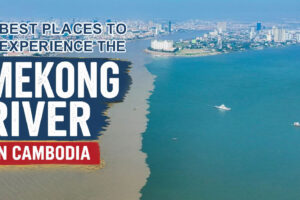
Closer to major cities, Phnom Kulen combines sacred history with forest scenery and waterfalls, while Kirirom National Park offers pine-covered hills within reach of Phnom Penh. Cambodia’s freshwater wetlands, including Tonle Sap Lake and the upper Mekong River, provide opportunities for birdwatching, boat trips, and responsible wildlife observation.
Whether you prefer a relaxing day beside a waterfall, a guided forest trek, a peaceful lake, or a multi-day adventure, Cambodia has a nature destination worth exploring.
This guide introduces 10 of the best natural places to visit in Cambodia, with recommendations for activities, travel logistics, seasons, accommodation, and responsible tourism.
Best Nature Destinations in Cambodia at a Glance
| Destination | Province or Region | Best For |
|---|---|---|
| Phnom Kulen National Park | Siem Reap | Waterfalls, forests, and sacred landscapes |
| Cardamom Mountains and Chi Phat | Koh Kong | Rainforest trekking and ecotourism |
| Mondulkiri Highlands | Mondulkiri | Waterfalls, hills, and ethical elephant observation |
| Yeak Laom Lake | Ratanakiri | Volcanic lake scenery and community tourism |
| Virachey National Park | Ratanakiri and Stung Treng | Remote wilderness expeditions |
| Kirirom National Park | Kampong Speu | Pine forests, hiking, and weekend escapes |
| Bokor National Park | Kampot | Mountain viewpoints and cool-weather scenery |
| Tonle Sap and Prek Toal | Siem Reap and Battambang region | Wetlands, birdwatching, and flooded forests |
| Upper Mekong Wetlands | Stung Treng | River islands, kayaking, and ecotourism |
| Ream National Park | Preah Sihanouk | Coastal forests, mangroves, and nature excursions |
1. Phnom Kulen National Park – Best for Waterfalls and Sacred Nature
Phnom Kulen National Park is one of the most popular natural destinations near Siem Reap. Known for its waterfalls, wooded mountain landscape, ancient stone carvings, and religious importance, it combines cultural heritage with outdoor scenery.
The park lies northeast of Siem Reap and is associated with an important period in the early history of the Khmer Empire.
For many Cambodian visitors, Phnom Kulen is not simply a recreational destination. It is a sacred mountain connected with Buddhist traditions and historical beliefs.
Best Things to Do at Phnom Kulen
- Visit Kulen Waterfall: Enjoy one of the area’s most recognizable natural attractions, surrounded by tropical vegetation.
- Explore the River of a Thousand Lingas: Observe ancient carvings in sandstone riverbeds at designated heritage locations.
- Visit Preah Ang Thom: Discover an important Buddhist religious site with a large reclining Buddha.
- Enjoy mountain scenery: Explore forested landscapes and viewpoints where visitor access is permitted.
- Learn about Khmer history: Discover the traditional association between Phnom Kulen and the rise of the Angkorian period.
How to get there: Phnom Kulen is approximately 50 kilometers from Siem Reap, depending on the access route. Most visitors arrange a private car, guided excursion, or suitable local transport.
Recommended time: One full day from Siem Reap.
Best for: Families, first-time visitors, waterfall enthusiasts, and travelers combining nature with Khmer history.
Travel tip: Phnom Kulen has separate visitor access and ticketing arrangements from the principal Angkor temple circuit. Confirm current fees and entry conditions before departure. Swimming should only be attempted in areas where local authorities consider conditions safe.
2. Cardamom Mountains and Chi Phat – Best for Rainforest Adventures
The Cardamom Mountains in southwestern Cambodia contain some of the country’s most important tropical forest landscapes.
Extending across several provinces, the mountain region includes rainforests, rivers, waterfalls, wetlands, and habitats supporting rare wildlife.
For travelers seeking a meaningful ecotourism experience, Chi Phat in Koh Kong Province is one of the most established places to begin.
Why Visit Chi Phat?
Chi Phat developed a community-based ecotourism program with support from Wildlife Alliance.
The initiative provides opportunities for local residents to earn income through guiding, accommodation, meals, and outdoor activities while supporting forest conservation.
According to Wildlife Alliance, Chi Phat offers experiences such as rainforest trekking, mountain biking, river kayaking, and community stays.
Best Things to Do
- Join a guided rainforest trek.
- Explore forest trails by mountain bike.
- Go kayaking along suitable river routes.
- Visit waterfalls and natural viewpoints with local guides.
- Stay in a community guesthouse or homestay.
- Learn how ecotourism supports local livelihoods and conservation.
How to get there: Chi Phat is generally reached by traveling toward the Andoung Tuek area of Koh Kong Province, followed by the locally arranged final transfer. Access routes and boat arrangements vary.
Recommended stay: Two to four days, especially if you want to undertake a guided forest trek.
Best for: Adventure travelers, hikers, mountain bikers, conservation-minded visitors, and people interested in community tourism.
Travel tip: Book trekking and overnight activities through the community organization or a reputable partner. Some routes require guides, permits, camping equipment, and advance arrangements.
Community ecotourism information: Wildlife Alliance – Chi Phat.
3. Mondulkiri Highlands – Best for Waterfalls, Rolling Hills, and Elephants
Mondulkiri is one of Cambodia’s most distinctive natural regions.
Located in the east near the Vietnamese border, the province is known for its rolling highlands, forested valleys, waterfalls, open grassland landscapes, and comparatively cool upland climate.
The provincial capital, Sen Monorom, is the main base for exploring surrounding natural attractions.
Mondulkiri is also home to Indigenous Bunong communities whose cultural traditions are closely connected with the region’s forests and landscapes.
Bou Sra Waterfall
One of Mondulkiri’s most famous attractions is Bou Sra Waterfall, also written Bousra or Bou Sraa.
Located approximately 40–45 kilometers from Sen Monorom, the waterfall is known for its dramatic cascades and forest setting.
The Ministry of Tourism describes several stages of the waterfall, although access to individual sections varies with terrain and safety conditions.
The scenery can be especially impressive after substantial rainfall, but wet-season currents and slippery rocks make swimming and close approaches potentially dangerous.
Ethical Elephant Observation
Mondulkiri is an important destination for learning about Asian elephants and their relationship with local communities.
However, animal welfare standards vary considerably among tourism operators.
One established organization, the Elephant Valley Project, offers guided forest experiences based on observing elephants without riding, performances, forced bathing, or direct feeding.
Its approach emphasizes allowing elephants to express natural behaviors within a forest environment.
Official website: Elephant Valley Project.
Other Things to Do in Mondulkiri
- Enjoy viewpoints around Sen Monorom.
- Explore the rolling grassland scenery of Samot Cheur, often called the Sea Forest.
- Visit suitable waterfalls and forest trails.
- Join a community-led cultural experience with Indigenous Bunong hosts.
- Explore nature through responsible guided excursions.
Recommended stay: Two to four nights.
Best for: Waterfall photography, wildlife enthusiasts, couples, hikers, and travelers interested in highland landscapes.
Travel tip: Choose elephant experiences that prioritize animal welfare. Avoid elephant riding, forced performances, and activities requiring direct interaction simply for tourist photographs.
4. Yeak Laom Lake – Best for Volcanic Lake Scenery
Yeak Laom Lake, also spelled Yeak Lom or Yak Loum, is one of the most beautiful natural attractions in Ratanakiri Province.
Located approximately five kilometers from Banlung, the lake occupies a volcanic crater surrounded by forest.
Its rounded shape, wooded banks, and calm atmosphere make it an attractive destination for visitors interested in nature without undertaking a difficult expedition.
The area is also associated with the culture and traditions of the Indigenous Tampuan community.
Why Visit Yeak Laom?
Yeak Laom offers a combination of natural scenery, short walking opportunities, and community-based tourism.
The lake is surrounded by a forest path that allows visitors to appreciate the landscape from different viewpoints.
Depending on current local rules and conditions, designated areas may be available for swimming or relaxing near the water.
Best Things to Do
- Walk along the trail surrounding the lake.
- Enjoy the peaceful volcanic-crater scenery.
- Observe forest vegetation and local wildlife where possible.
- Learn about Tampuan cultural traditions through appropriate community experiences.
- Purchase locally produced handicrafts where available.
- Relax at designated lakeside areas.
The Ministry of Tourism identifies Yeak Laom as a community-based ecotourism destination.
How to get there: Travel from Banlung by tuk-tuk, car, or other suitable local transport.
Recommended time: Half a day.
Best for: Couples, photographers, families, and visitors exploring northeastern Cambodia.
Travel tip: Respect the lake’s cultural significance. Follow community rules regarding swimming, photography, litter, and protected areas.

5. Virachey National Park – Best for Remote Wilderness Trekking
Virachey National Park is one of Cambodia’s most significant remote protected landscapes.
Situated across parts of Ratanakiri and Stung Treng provinces near the borders with Laos and Vietnam, the park includes extensive forested mountains, river systems, valleys, and remote wildlife habitats.
Unlike a developed sightseeing attraction, Virachey is better suited to travelers who want guided multi-day adventures.
What Makes Virachey Special?
The park’s remote environment supports important biodiversity and is associated with several Indigenous communities.
Its forests and river valleys provide opportunities for ecological learning, wilderness trekking, and community-based experiences.
The Ministry of Tourism identifies guided trekking, camping, and nature-based excursions as important activities associated with Virachey.
Best Things to Do
- Join an authorized multi-day forest trek.
- Explore remote mountain and river landscapes.
- Camp in designated areas with experienced guides.
- Learn about forest ecosystems and conservation.
- Participate in suitable community-led cultural experiences.
- Observe wildlife signs and birds without disturbing habitats.
How to visit: Banlung is a common starting point for arranging excursions, but the actual entry route depends on the itinerary and approved access.
Recommended time: Several days for an organized trek.
Best for: Experienced hikers, adventure travelers, and people interested in remote ecosystems.
Important: Virachey should not be treated as an independent day-hiking destination. Arrange authorized guides, confirm current permits and route conditions, and consider the limits of communication and emergency services.
6. Kirirom National Park – Best for Pine Forests Near Phnom Penh
Kirirom National Park in Kampong Speu Province is a convenient nature destination for travelers staying in Phnom Penh.
Its wooded hills, pine forests, waterfalls, and relatively cool upland environment provide a contrast to the hotter plains surrounding the capital.
Kirirom is popular for picnics, short breaks, nature walks, and overnight stays.
Best Things to Do in Kirirom
- Walk through scenic pine forest areas.
- Enjoy mountain viewpoints.
- Visit waterfalls where current access is permitted.
- Relax in designated picnic areas.
- Stay overnight at suitable mountain accommodation.
- Enjoy photography and quiet countryside scenery.
The park is particularly attractive to visitors who want to spend time outdoors without committing to a long journey to northeastern Cambodia.
How to Get to Kirirom
Kirirom lies west of Phnom Penh in Kampong Speu Province, with access via National Road 4 and connecting roads.
Travel time depends on traffic, road conditions, and your specific destination within the park.
Recommended time: One day or an overnight stay.
Best for: Families, couples, weekend travelers, and visitors looking for a relatively accessible forest destination.
Travel tip: Mountain weather can change quickly. Confirm hiking paths, waterfall access, and any accommodation or camping arrangements before leaving Phnom Penh.
7. Bokor National Park – Best for Mountain Views and Cool-Weather Scenery
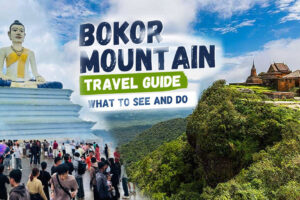
Bokor National Park, in Kampot Province, offers one of southern Cambodia’s most recognizable mountain landscapes.
Situated above the coastal plain, the Bokor highlands are known for misty viewpoints, cooler temperatures, forest scenery, and historical landmarks associated with the former hill station.
Bokor can be combined with a visit to Kampot, making it a convenient destination for travelers exploring Cambodia’s southern region.
Highlights of Bokor
Mountain viewpoints: Selected areas offer impressive views over surrounding forests, valleys, and the coastline when weather conditions are clear.
Popokvil Waterfall: A scenic waterfall whose appearance changes significantly with seasonal rainfall.
Bokor Hill Station: Historical buildings and landmarks provide an additional cultural dimension to the mountain experience.
Cool mountain atmosphere: Mist and lower temperatures can make Bokor feel very different from lowland Cambodia.
Things to Do
- Explore accessible mountain viewpoints.
- Visit Popokvil Waterfall.
- See historic hill-station landmarks.
- Enjoy photography of misty mountain landscapes.
- Combine mountain sightseeing with a longer Kampot trip.
How to get there: Bokor is accessed by road from Kampot using the mountain route.
Recommended time: A full-day excursion, or longer if staying nearby.
Best for: Couples, scenic drives, photographers, and first-time visitors staying in Kampot.
Travel tip: Bokor is not entirely undeveloped wilderness. Roads, resorts, and other construction exist in parts of the mountain area. Travelers seeking deep rainforest trekking may prefer community-based experiences in the Cardamoms.
Clouds, heavy rain, and fog can affect visibility and driving conditions. Waterfall access should be assessed according to current weather.

8. Tonle Sap Lake and Prek Toal – Best for Wetlands and Birdwatching
Tonle Sap Lake is Southeast Asia’s largest freshwater lake and one of Cambodia’s most ecologically important natural landscapes.
Its water levels change dramatically throughout the year because of its connection with the Mekong River system.
During the rainy season, the lake expands across surrounding floodplains and forests. As water levels fall, the landscape changes again, exposing areas that were submerged months earlier.
This seasonal cycle supports fish, waterbirds, wetland vegetation, and communities whose livelihoods depend on the lake.
Why Is Tonle Sap Important?
UNESCO recognizes Tonle Sap as a Biosphere Reserve under its Man and the Biosphere Programme.
The reserve includes freshwater ecosystems, flooded forests, wetlands, and important habitats for numerous species.
In July 2026, Cambodia launched a Tonle Sap Biosphere Reserve Strategic Plan for 2026–2030, emphasizing conservation, sustainable livelihoods, and climate resilience.
Prek Toal Bird Sanctuary
Prek Toal is one of the most important bird conservation areas within the Tonle Sap system.
Located in the lake’s northwestern region within Battambang Province, it is associated with significant breeding populations of large waterbirds.
The Prek Toal area is also designated as a Wetland of International Importance under the Ramsar Convention.
Best Things to Do
- Join an organized wetland birdwatching excursion.
- Observe flooded-forest landscapes.
- Learn about Tonle Sap’s seasonal flood cycle.
- Explore appropriate community-based tourism activities.
- Photograph waterbirds from safe observation distances.
- Learn how fishing and conservation are connected.
How to visit: Many excursions are arranged from the Siem Reap region using road and boat transportation. Routes depend strongly on water levels and the specific departure point.
Recommended time: A full day for a dedicated birdwatching excursion.
Best for: Birdwatchers, photographers, environmental enthusiasts, and travelers interested in wetlands.
Travel tip: Prek Toal is not the same as a standard short floating-village sightseeing cruise. Specialist birdwatching trips generally require additional travel, local guiding, and advance coordination.
Bird sightings are not guaranteed, and nesting areas should only be visited according to conservation rules.

9. Upper Mekong Wetlands – Best for River Islands and Ecotourism
The upper Mekong River in Stung Treng Province offers a very different kind of nature experience from Cambodia’s forests and mountains.
This region contains rocky river channels, seasonally flooded islands, wetlands, sandbars, and important freshwater habitats.
One of its most significant protected areas is the Middle Stretches of the Mekong River North of Stung Treng, designated under the Ramsar Convention.
According to the Ramsar Sites Information Service, the protected wetland covers approximately 14,600 hectares.
Its landscapes change with the river’s annual rise and fall, making seasonal planning particularly important.
Koh Han Community Ecotourism
The Koh Han area, near Koh Sneng Village, is associated with community-based ecotourism that introduces visitors to the upper Mekong’s distinctive landscapes.
Activities may include guided boat trips, kayaking, birdwatching, and exploring seasonal flooded forests when conditions allow.
Local community tourism arrangements help connect visitor activities with rural livelihoods.
Best Things to Do
- Take a guided trip through suitable river channels.
- Experience kayaking with a knowledgeable local operator.
- Explore river islands and seasonal wetlands.
- Observe birds and natural habitats.
- Learn about the livelihoods of riverside communities.
- Enjoy the distinctive scenery of Cambodia’s northern Mekong.
How to get there: Stung Treng town is a practical base for arranging regional river excursions. The final journey to community sites may involve road and boat transport.
Recommended stay: Two to three nights.
Best for: Nature photographers, kayakers, community-tourism travelers, and people seeking less-visited destinations.
Travel tip: The Mekong can have strong currents, submerged rocks, and rapidly changing conditions. Do not explore unfamiliar channels without an experienced local guide and suitable safety equipment.
10. Ream National Park – Best for Coastal Forests and Mangroves
Ream National Park is located in the coastal region of Preah Sihanouk Province.
Unlike Cambodia’s highland national parks, Ream is associated with coastal and marine environments, including forest areas, wetlands, waterways, and mangrove habitats.
It offers visitors another perspective on the country’s natural diversity.
What Can Travelers Experience?
Depending on current access and local arrangements, nature-focused excursions may include:
- Exploring coastal forest areas.
- Observing mangrove ecosystems.
- Taking guided boat trips along appropriate waterways.
- Enjoying birdwatching and nature photography.
- Discovering suitable beaches and coastal scenery.
- Learning about marine and wetland conservation.
Ream’s ecosystems provide important environmental functions, including coastal protection and habitat for wildlife.
How to Visit
The park region can be reached by road from Sihanoukville, although individual activity locations and access points vary.
Recommended time: Half a day to a full day, depending on the excursion.
Best for: Coastal nature, birdwatching, photography, and travelers who want an alternative to a conventional beach holiday.
Important: Parts of the wider Ream area have experienced substantial development and changes in access. Do not assume that every historical trail, mangrove tour, or beach remains publicly accessible. Arrange activities through reputable local operators and confirm current restrictions.
Which Nature Destination in Cambodia Should You Choose?
The best natural destination depends on your interests, travel time, budget, and willingness to explore remote areas.
| Travel Interest | Recommended Destination |
|---|---|
| Easy nature day trip from Siem Reap | Phnom Kulen |
| Accessible nature escape from Phnom Penh | Kirirom |
| Waterfalls and highland views | Mondulkiri |
| Rainforest trekking and community ecotourism | Chi Phat, Cardamom Mountains |
| Volcanic lake and peaceful forest | Yeak Laom |
| Challenging wilderness expedition | Virachey National Park |
| Scenic mountain drive near Kampot | Bokor |
| Birdwatching and freshwater wetlands | Prek Toal, Tonle Sap |
| River islands and kayaking | Upper Mekong, Stung Treng |
| Coastal forest and mangroves | Ream National Park |
For first-time visitors: Phnom Kulen is an excellent choice if you are based in Siem Reap, while Mondulkiri is particularly rewarding if you have several days available and want a different landscape.
For serious nature enthusiasts: Chi Phat, Virachey, and the upper Mekong provide more specialized experiences involving community guides, remote areas, or multi-day travel.
Best Time to Visit Cambodia’s Nature Destinations
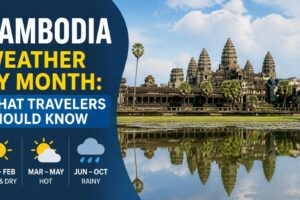
Cambodia has a tropical monsoon climate, and the best time for nature travel depends on what you want to experience.
November to February – Best for Comfortable Outdoor Travel
The cooler part of the dry season generally offers good conditions for hiking, sightseeing, and exploring provincial destinations.
Roads are often easier to navigate than during periods of heavy rain, although remote tracks may remain difficult.
This is a particularly appealing period for Kirirom, Mondulkiri, Ratanakiri, and guided forest trekking.
March to May – Hot Season
The weather can become very hot, especially in lower-elevation areas.
Plan demanding activities early in the morning, drink sufficient water, and avoid exposed hiking routes during the hottest hours.
Waterfalls may have reduced flow late in the dry season.
June to October – Green Landscapes and Powerful Waterfalls
Rain transforms many forested areas into lush green landscapes.
Waterfalls such as Bou Sra and Phnom Kulen can become particularly impressive, but strong currents, slippery rocks, and difficult roads create additional risks.
Remote trekking and boating activities may be restricted or canceled.
Seasonal Comparison
| Season | Advantages | Challenges |
|---|---|---|
| November–February | Comfortable weather and generally easier road access | Some popular destinations become busy |
| March–May | Often drier hiking conditions in accessible areas | High temperatures and reduced waterfall flow |
| June–October | Green forests, fuller waterfalls, seasonal flooded landscapes | Heavy rain, rough tracks, dangerous currents |
Our recommendation: For travelers visiting several nature destinations on one trip, November through February is generally the most practical period. Those prioritizing waterfalls may prefer the late rainy season or early dry season, depending on local safety and access.
Suggested Nature Itineraries in Cambodia
Three-Day Nature Escape from Siem Reap
- Day 1: Explore Phnom Kulen National Park, its waterfall, and selected sacred sites.
- Day 2: Enjoy a relaxed day around Siem Reap or an additional nature-oriented excursion.
- Day 3: Take an organized Tonle Sap wetland trip, or arrange a longer Prek Toal birdwatching excursion if suitable.
This itinerary combines waterfalls, history, and freshwater ecosystems without requiring a journey across the country.
Four-Day Mondulkiri and Ratanakiri Journey
- Day 1: Travel to Sen Monorom and enjoy nearby highland scenery.
- Day 2: Visit Bou Sra Waterfall or join an ethical elephant observation program.
- Day 3: Travel toward Banlung in Ratanakiri, allowing sufficient driving time.
- Day 4: Visit Yeak Laom Lake and nearby accessible natural attractions.
This is a relatively fast-paced route and assumes you are already in eastern Cambodia at the start. Travelers beginning in Phnom Penh should allow additional transport days, particularly if using buses or minivans.
Five-Day Cardamom Nature Adventure
- Day 1: Travel toward Chi Phat and settle into community accommodation.
- Day 2: Join a guided forest trek.
- Day 3: Continue a guided nature activity or organized overnight route.
- Day 4: Enjoy kayaking, mountain biking, or community activities.
- Day 5: Return to the mainland transport route.
Book through the local ecotourism organization and match the itinerary to your fitness, experience, and the seasonal conditions.
How Much Does a Nature Trip in Cambodia Cost?
Nature travel in Cambodia can suit different budgets, but costs depend heavily on the destination.
A simple visit to a waterfall may involve transportation and an entrance fee, while a remote national park expedition may require guides, permits, equipment, meals, overnight accommodation, and specialized transport.
Before booking, ask whether your quoted price includes:
- Transportation from the nearest town.
- Protected-area entrance or conservation fees.
- Local guide services.
- Camping equipment or homestay accommodation.
- Meals and drinking water.
- Boats, kayaks, or other activity equipment.
- Safety equipment and emergency arrangements.
- Community contributions or conservation payments.
Costs should be confirmed with the relevant operator rather than relying on a single nationwide estimate, because access and activity types differ considerably.
Responsible Ecotourism in Cambodia
Cambodia’s protected landscapes face pressures from habitat loss, illegal wildlife trade, pollution, climate change, and poorly managed development.
Nature tourism can support conservation when it creates responsible economic opportunities and encourages visitors to value healthy ecosystems.
Travelers can contribute by following several practical principles.
Choose Community-Based Tourism
Where possible, use local guides, community guesthouses, and properly managed tourism organizations.
This helps direct tourism income toward people living near protected landscapes.
Avoid Wildlife Exploitation
Do not ride elephants, pay for forced animal performances, purchase wildlife products, or participate in activities that require animals to be restrained for tourist photographs.
Choose opportunities to observe animals behaving naturally from an appropriate distance.
Protect Forests and Waterways
Carry reusable water bottles, avoid unnecessary plastic waste, stay on authorized trails, and never collect plants or wildlife.
Do not disturb nesting birds, coral habitats, or protected forest areas.
Respect Indigenous Communities
Indigenous communities have distinct cultural traditions, languages, land relationships, and local knowledge.
Ask permission before visiting private property, entering sacred areas, or taking photographs.
Choose experiences that communities genuinely organize and benefit from.
Travel with Appropriate Safety Preparation
Remote areas can have poor mobile coverage and limited medical services.
Use knowledgeable guides, inform someone of your plans, carry essential supplies, and avoid unfamiliar waterways during high-water conditions.
Frequently Asked Questions About Nature in Cambodia
What are the best nature destinations in Cambodia?
Some of the best options include Phnom Kulen National Park, the Cardamom Mountains, Mondulkiri, Yeak Laom Lake, Virachey National Park, Kirirom, Bokor, Tonle Sap wetlands, and the upper Mekong River in Stung Treng.
Where can I see beautiful waterfalls in Cambodia?
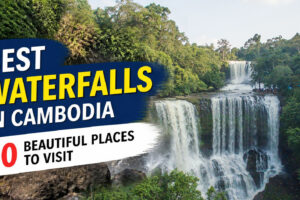
Phnom Kulen near Siem Reap and Bou Sra in Mondulkiri are among the country’s most famous waterfall destinations. Bokor and other highland regions also have waterfalls, although flow and access vary by season.
Which national park is best for first-time visitors?
Phnom Kulen is a convenient choice for travelers based in Siem Reap, while Kirirom is relatively accessible from Phnom Penh. More remote parks require greater planning and often local guides.
Where can tourists see elephants in Cambodia?
Mondulkiri has established elephant-focused tourism projects. The Elephant Valley Project offers guided forest observation without riding, tricks, forced feeding, or bathing.
Can you trek in the Cardamom Mountains?
Yes. Community-based ecotourism organizations such as Chi Phat offer guided rainforest trekking and related outdoor activities. Some excursions involve camping and require advance booking.
What is the best nature destination near Siem Reap?
Phnom Kulen is a popular choice for waterfalls, forest scenery, and historical landmarks. Tonle Sap Lake is another option for visitors interested in wetlands and birdwatching.
What is the best nature destination near Phnom Penh?
Kirirom National Park in Kampong Speu is one of the most convenient mountain and forest destinations within reach of the capital.
Where is Yeak Laom Lake?
Yeak Laom is a volcanic crater lake approximately five kilometers from Banlung in Ratanakiri Province, northeastern Cambodia.
Is Virachey National Park suitable for beginners?
Virachey is a remote wilderness destination and is generally better suited to travelers prepared for organized guided expeditions. Beginners should select routes appropriate to their fitness and experience rather than attempting independent trekking.
Where can you go birdwatching in Cambodia?
The Prek Toal area of Tonle Sap and the upper Mekong wetlands in Stung Treng are important bird habitats. Guided excursions can provide opportunities for wildlife observation, although sightings are never guaranteed.
When is the best time for nature travel in Cambodia?
November to February is generally the most comfortable period for exploring several destinations. Late rainy-season months can offer lush landscapes and powerful waterfalls, but access and safety conditions may be more difficult.
Can you swim at Cambodia’s waterfalls?
Swimming may be permitted at selected locations when conditions are safe. However, waterfalls can have strong currents, slippery rocks, sudden depth changes, and restricted zones. Follow local instructions and never assume that swimming is safe simply because other visitors are present.
Are Cambodia’s natural destinations suitable for families?
Yes. Accessible locations such as Phnom Kulen, Kirirom, and Yeak Laom can be suitable for families with appropriate supervision. Remote trekking destinations and dangerous waterfall areas may not be appropriate for young children.
Are Cambodia’s national parks UNESCO World Heritage sites?
Not automatically. Cambodia has national parks, wildlife sanctuaries, UNESCO biosphere reserves, Ramsar wetlands, and UNESCO World Heritage properties, but these are different designations. For example, Tonle Sap is recognized under UNESCO’s Man and the Biosphere Programme, while Prek Toal is also a Ramsar wetland.
Sources and References
This guide uses Cambodia’s Ministry of Tourism, UNESCO, the Ramsar Convention, conservation organizations, and established community tourism providers. Protected-area access, tourism facilities, wildlife encounters, and seasonal conditions can change, so travelers should confirm current details before booking.
- Cambodia Ministry of Tourism – Phnom Kulen National Park: Waterfalls, sacred mountain history, ancient carvings, and location.
- Wildlife Alliance – Chi Phat Community-Based Ecotourism: Rainforest activities, community tourism, accommodation, and conservation.
- Cambodia Ministry of Tourism – Bou Sra Waterfall: Location and natural features of Mondulkiri’s major waterfall.
- Elephant Valley Project – Official Visit Options: Guided elephant observation and ethical visitor policies.
- Cambodia Ministry of Tourism – Yeak Laom Community Ecotourism: Crater lake, community management, and visitor activities.
- Cambodia Ministry of Tourism – Virachey National Park: Guided trekking, conservation, and community experiences.
- Tourism Cambodia – Kampong Speu and Kirirom: Pine forests, mountain landscapes, and access from Phnom Penh.
- Cambodia Ministry of Tourism – Kampot and Bokor: Bokor highlands, mountain scenery, and Popokvil Waterfall.
- UNESCO – Tonle Sap Biosphere Reserve: Freshwater biodiversity, seasonal flooding, and ecological significance.
- UNESCO – Tonle Sap Biosphere Reserve Strategic Plan 2026–2030: Current conservation and climate-resilience priorities.
- UNESCO – Prek Toal Core Area: Bird habitat, flooded forests, and wetland conservation.
- Convention on Wetlands – Cambodia: Internationally recognized wetland sites, including Prek Toal and the Stung Treng Mekong.
- Ramsar Sites Information Service – Cambodia Wetlands Summary: Protected upper Mekong wetland description and area.
- Cambodia Ministry of Tourism – Nature and Outdoor Activities: Cambodia’s forests, national parks, wetlands, rivers, and outdoor tourism opportunities.
Conclusion: Discover Cambodia’s Natural Beauty
The best nature destinations in Cambodia reveal a side of the country that extends far beyond its world-famous temples.
From the waterfalls and sacred forests of Phnom Kulen to the rainforests of the Cardamom Mountains, the rolling highlands of Mondulkiri, and the volcanic landscape of Yeak Laom, Cambodia offers remarkable opportunities for outdoor exploration.
Travelers looking for peaceful scenery can enjoy Kirirom and Bokor, while adventure enthusiasts may prefer the guided trekking routes of Virachey National Park.
For wildlife and wetland experiences, Tonle Sap Lake and the upper Mekong in Stung Treng reveal the importance of Cambodia’s rivers, flooded forests, and freshwater ecosystems.
What makes these destinations particularly special is the connection between nature and local communities. Many landscapes are not simply attractions for visitors; they are places where people live, work, maintain cultural traditions, and depend on healthy ecosystems.
By choosing responsible guides, respecting protected areas, supporting local tourism initiatives, and avoiding harmful wildlife experiences, travelers can help protect Cambodia’s natural heritage.
Whether you have one day for a waterfall excursion or several weeks to explore remote forests and highlands, Cambodia’s natural landscapes offer unforgettable experiences for curious and responsible travelers.
Discover more of Cambodia with GoToKH.com through our guides to national parks, waterfalls, mountains, ecotourism, wildlife, outdoor adventures, and the remarkable natural landscapes of the Kingdom of Wonder.
